
Giant Speckled
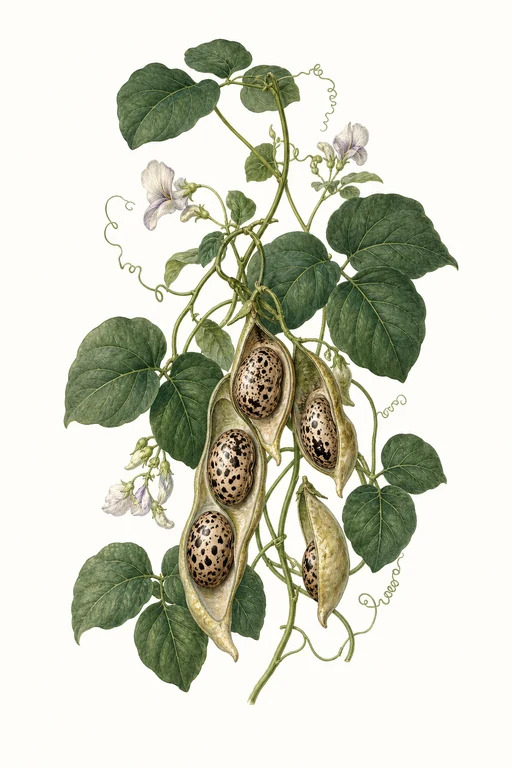
Sink your spoon into Giant Speckled’s richly flavored, creamy beans—each one draped in bold, painterly speckles over a buttery ground.
The pods carry a substantial, meaty fullness, and the mature seeds develop a tender, velvety texture that shines in classic lima-style preparations, from slow-simmered sides to smooth, spoonable sauces. Grow this showy, long-season favorite for a bountiful harvest that feels as generous as it looks on the vine.
Light: Full SunMaturity: 90 DaysHabit: Bush
Planting schedules and alerts are optimized for Columbus (Zone 6b).
Crop Dates
| Milestone | Date |
|---|---|
| Start Indoors | Direct Sow |
| Last Frost | Apr 25th |
| Transplant / Sow Outdoors | Apr 25th |
| Harvest Begins | Jul 24th |
| Harvest Ends | Oct 16th |
Crop Details
| Trait | Value |
|---|---|
| Days to Maturity | 90 |
| Sun Requirements | Full Sun |
| Growth Habit | Bush |
| Support Needed | None |
| Planting Depth | Normal |
| Germination Temp (°F) | 70 |
| Min Soil Temp (°F) | 60 |
| Min Night Temp (°F) | 55 |
| Harden Off (days) | Not Required |
Culinary Notes

Chef's Note
Giant Speckled is a classic lima build: substantial, creamy beans that turn velvety without collapsing, so they want time and fat—think low heat, butter, and a gentle simmer. The speckled, painterly richness plays especially well with smoky pork and a bright hit of lemon to keep the whole bowl from feeling heavy.

Best Uses
- slow-simmered lima beans in a butter-and-herb pot until spoonable
- mash or blend for a thick, silky spread or side
- add to stews where the beans hold shape before they melt into the broth
- make a spoon sauce base (like a rough purée) for roasted vegetables or grilled proteins

Flavor Profile

Frequently Asked Questions
What’s the most common disease problem for Phaseolus lunatus (Christmas lima/giant speckled lima beans), and how do I prevent and treat it?
How often should I water giant speckled lima beans during the main growing phase, and what soil moisture level should I maintain?
How can I tell when Phaseolus lunatus (giant speckled lima beans) is ready to harvest?
Sowing Tips

Transplant Conditions
Wait until soil reaches 60°F and nights stay above 55°F before moving outdoors.
Expert Note

Soak seeds overnight and sow when soil is reliably warm; keep the soil evenly moist early for strong, uniform stands.