
Gold Marie
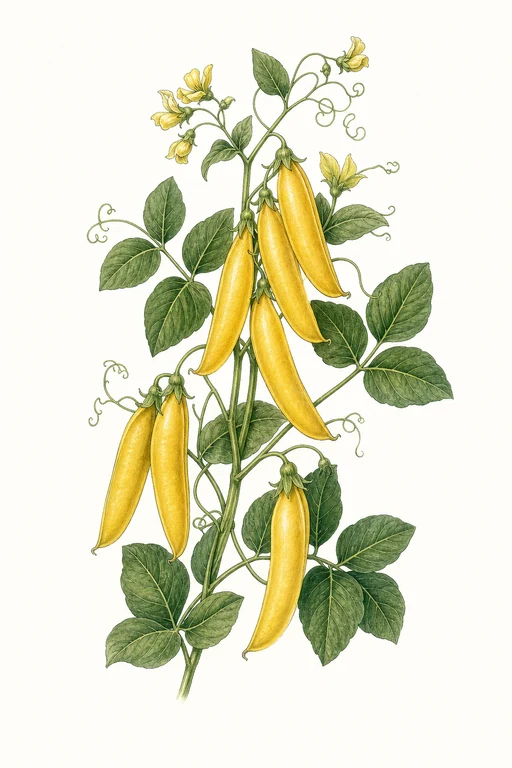
Sunlit and tender, Gold Marie pole beans unfurl in a cascade of warm golden pods that glow against lush green foliage.
Their flavor is sweet and clean with a delicate, crisp snap, making them especially delightful for fresh enjoyment and quick skillet-style roasting, as well as vibrant additions to salads and pickling. Grow this vigorous climber for a steady harvest rhythm—pods stay strikingly bright and pleasantly succulent through the season.
Light: Full SunMaturity: 55 DaysHabit: Clumping
Planting schedules and alerts are optimized for Columbus (Zone 6b).
Crop Dates
| Milestone | Date |
|---|---|
| Start Indoors | Direct Sow |
| Last Frost | Apr 25th |
| Transplant / Sow Outdoors | Apr 25th |
| Harvest Begins | Jun 19th |
| Harvest Ends | Oct 16th |
Crop Details
| Trait | Value |
|---|---|
| Days to Maturity | 55 |
| Sun Requirements | Full Sun |
| Growth Habit | Clumping |
| Support Needed | Trellis |
| Planting Depth | Normal |
| Germination Temp (°F) | 70 |
| Min Soil Temp (°F) | 60 |
| Min Night Temp (°F) | 50 |
| Harden Off (days) | Not Required |
Culinary Notes

Chef's Note
Gold Marie pole beans are all about that crisp, sweet snap—cook them fast and hot so they stay glassy-tender instead of going soft and starchy. Their bright, golden color and clean flavor make them especially worth the no-fuss treatment: blister in a skillet, then season sharply.

Best Uses
- hot skillet roast until blistered and lightly charred, then hit with lemon and flaky salt
- quick pickle for crisp, golden crunch
- toss into salads while still warm for snap that doesn’t go limp
- steam and glaze with a light soy-ginger butter

Flavor Profile

Frequently Asked Questions
What pest or disease problem commonly affects Phaseolus vulgaris (bean) like Gold Marie, and how can I manage it at home?
How often should I water Phaseolus vulgaris during the main growing phase, and what soil moisture level should I aim for?
How do I tell when Gold Marie (Phaseolus vulgaris) is ready to harvest?
Sowing Tips

Transplant Conditions
Wait until soil reaches 60°F and nights stay above 50°F before moving outdoors.
Expert Note

Sow when soil is reliably warm (and after nights stay mild); keep moisture steady early to ensure quick, even emergence.