
Gold Mine
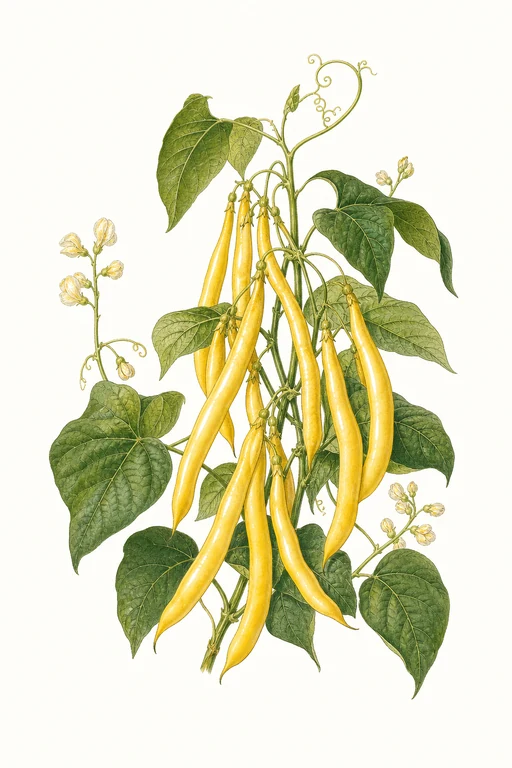
Sunlit and buttery from the first glance, Gold Mine wax beans unfurl into smooth, golden pods with a tender snap and a mild, sweet flavor that feels bright on the palate.
At maturity they hold a crisp, succulent texture—ideal for roasting and sautéing, and equally delightful for fresh snacking, quick pickling, and vibrant additions to sauces. Grow a row of these radiant pods for a harvest that looks as good as it tastes, with dependable performance around 50 days.
Light: Full SunMaturity: 50 DaysHabit: Bush
Planting schedules and alerts are optimized for Columbus (Zone 6b).
Crop Dates
| Milestone | Date |
|---|---|
| Start Indoors | Direct Sow |
| Last Frost | Apr 25th |
| Transplant / Sow Outdoors | Apr 25th |
| Harvest Begins | Jun 14th |
| Harvest Ends | Oct 16th |
Crop Details
| Trait | Value |
|---|---|
| Days to Maturity | 50 |
| Sun Requirements | Full Sun |
| Growth Habit | Bush |
| Support Needed | None |
| Planting Depth | Normal |
| Germination Temp (°F) | 70 |
| Min Soil Temp (°F) | 60 |
| Min Night Temp (°F) | 50 |
| Harden Off (days) | Not Required |
Culinary Notes

Chef's Note
Gold Mine wax beans cook up with a crisp-tender snap and a gentle sweetness, so they stay pleasant even when you roast them hot. Their mellow flavor is made for lemony shine and garlic-butter sheen—avoid heavy, smoky seasoning unless you want them to play second fiddle to the fire.

Best Uses
- hot sauté or blister-fast roast for crisp-tender pods
- quick pickling to keep that snap and golden color
- toss into a summer sauce (pesto-style or herb butter) for texture
- fresh snacking or shaved raw into salads for a clean crunch

Flavor Profile

Frequently Asked Questions
What pest or disease issue most commonly affects Phaseolus vulgaris (Kentucky Wonder Wax type) beans, and how do I manage it?
How often should I water Phaseolus vulgaris during the main growing phase (from flowering through pod set)?
How can I tell when Gold Mine (Phaseolus vulgaris) wax beans are ready to harvest?
Sowing Tips

Transplant Conditions
Wait until soil reaches 60°F and nights stay above 50°F before moving outdoors.
Expert Note

For best flavor and continuous picking, sow where soil is reliably warm and harvest every 2–3 days once pods start setting.