
Golden Rod Wax
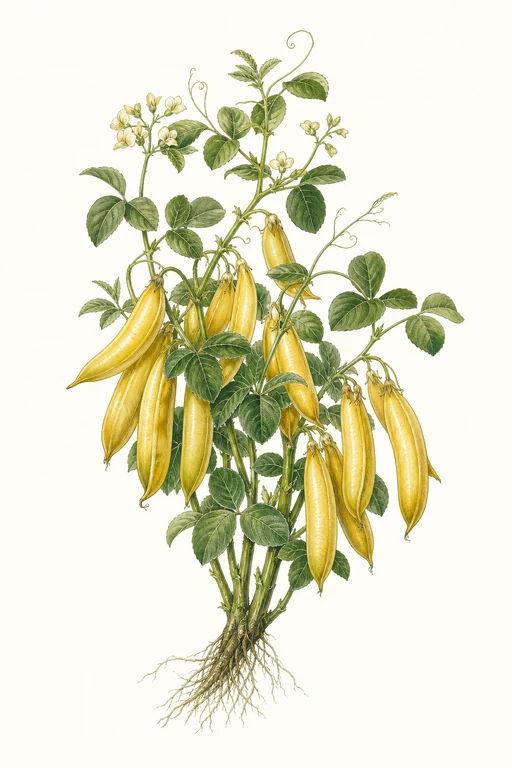
Golden Rod Wax delivers a luminous harvest of tender, golden-yellow pods with a buttery snap and a clean, sweet-bean flavor that feels bright from the first bite.
The compact bush habit makes it wonderfully easy to grow, producing straight, uniform pods that stay crisp and flavorful through the season. Ideal for fresh snacking, quick skillet-style roasting, and vibrant pickling—these pods bring sunshine to every platter.
Light: Full SunMaturity: 55 DaysHabit: Bush
Planting schedules and alerts are optimized for Columbus (Zone 6b).
Crop Dates
| Milestone | Date |
|---|---|
| Start Indoors | Direct Sow |
| Last Frost | Apr 25th |
| Transplant / Sow Outdoors | Apr 25th |
| Harvest Begins | Jun 19th |
| Harvest Ends | Oct 16th |
Crop Details
| Trait | Value |
|---|---|
| Days to Maturity | 55 |
| Sun Requirements | Full Sun |
| Growth Habit | Bush |
| Support Needed | None |
| Planting Depth | Normal |
| Germination Temp (°F) | 70 |
| Min Soil Temp (°F) | 60 |
| Min Night Temp (°F) | 50 |
| Harden Off (days) | Not Required |
Culinary Notes

Chef's Note
This wax bean variety eats like a crisp little spear—sweet, buttery, and bright—so you want high heat and short time to keep that snap instead of turning it soft. It also pickles with a clean crunch, where the golden color and mellow sweetness don’t get drowned by heavy spices.

Best Uses
- quick sauté or skillet blistering with butter and salt
- roasting until edges brown but centers stay snappy
- fresh snacking with lemon and flaky salt
- quick refrigerator or hot-water pickling for tangy crunch

Flavor Profile

Frequently Asked Questions
What pest or disease problem is most common on Phaseolus vulgaris (golden rod wax bean), and how can I control it?
How often should I water Phaseolus vulgaris during the main growing phase for wax beans?
How can I tell when golden rod wax beans are ready to harvest?
Sowing Tips

Transplant Conditions
Wait until soil reaches 60°F and nights stay above 50°F before moving outdoors.
Expert Note

Direct sow after soil warms; keep the top inch evenly moist until emergence, then water steadily to support pod set.