
Golden Sage
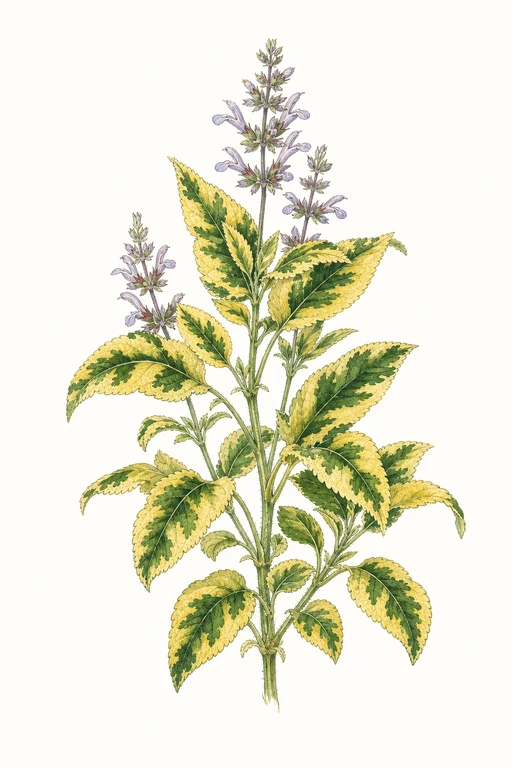
Golden Sage dazzles with sunlit variegation—soft, golden centers brushed with cool green margins—offering an aromatic, gently resinous fragrance that blooms as the foliage warms.
The leaves are supple and velvety, with a graceful, upright habit that makes a striking garden accent while delivering bold sage character for drying and simmering blends. Grow it for its long-lasting ornamental appeal and its distinctive, high-impact flavor profile that elevates herb-forward preparations and fragrant infusions.
Light: Full SunMaturity: 90 DaysHabit: Upright
Location not set yet
Location not set yet
Enter your ZIP for local crop dates
Golden Sage Planting Dates by USDA Zone
Estimated US hardiness-zone windows for sow, transplant, and harvest. Enter a US ZIP above for exact local dates, or open a zone below.
| Zone | Start Indoors | Sow / Transplant | Harvest |
|---|---|---|---|
| Zone 1a | May 4th | Jul 27th | Oct 25th – Jul 15th |
| Zone 1b | Apr 20th | Jul 13th | Oct 11th – Aug 1st |
| Zone 2a | Apr 13th | Jul 6th | Oct 4th – Aug 29th |
| Zone 2b | Apr 3rd | Jun 26th | Sep 24th – Aug 25th |
| Zone 3a | Apr 3rd | Jun 26th | Sep 24th – Sep 1st |
| Zone 3b | Apr 7th | Jun 30th | Sep 28th – Sep 21st |
| Zone 4a | Apr 3rd | Jun 26th | Sep 24th – Sep 24th |
| Zone 4b | Apr 1st | Jun 24th | Sep 22nd – Sep 27th |
| Zone 5a | Mar 27th | Jun 19th | Sep 17th – Sep 30th |
| Zone 5b | Mar 23rd | Jun 15th | Sep 13th – Oct 5th |
| Zone 6a | Mar 20th | Jun 12th | Sep 10th – Oct 10th |
| Zone 6b | Mar 14th | Jun 6th | Sep 4th – Oct 16th |
| Zone 7a | Mar 9th | Jun 1st | Aug 30th – Oct 20th |
| Zone 7b | Feb 27th | May 22nd | Aug 20th – Oct 28th |
| Zone 8a | Feb 18th | May 13th | Aug 11th – Nov 5th |
| Zone 8b | Feb 9th | May 4th | Aug 2nd – Nov 12th |
| Zone 9a | Jan 23rd | Apr 17th | Jul 16th – Nov 26th |
| Zone 9b | Dec 29th | Mar 23rd | Jun 21st – Dec 9th |
| Zone 10a | — | Oct 1st | Dec 30th – Feb 28th |
| Zone 10b | — | Oct 1st | Dec 30th – Feb 28th |
| Zone 11a | — | Oct 1st | Dec 30th – Feb 28th |
| Zone 11b | — | Oct 1st | Dec 30th – Feb 28th |
| Zone 12a | — | Oct 1st | Dec 30th – Feb 28th |
| Zone 12b | — | Oct 1st | Dec 30th – Feb 28th |
| Zone 13a | — | Oct 1st | Dec 30th – Feb 28th |
| Zone 13b | — | Oct 1st | Dec 30th – Feb 28th |
Crop Details
| Trait | Value |
|---|---|
| Days to Maturity | 90 |
| Sun Requirements | Full Sun |
| Growth Habit | Upright |
| Support Needed | None |
| Planting Depth | Normal |
| Germination Temp (°F) | 70 |
| Min Soil Temp (°F) | 60 |
| Min Night Temp (°F) | 50 |
| Harden Off (days) | 10 |
Culinary Notes

Chef's Note
Golden Sage brings the classic sage punch with a slightly brighter, cooler aromatic lift—great when you want flavor that blooms as the pan warms. Use it thoughtfully: it mellows beautifully in fat (brown butter/cream) but keeps its peppery edge in short, high-heat applications.

Best Uses
- quick sautéed sage-leaf finishing for buttered noodles or gnocchi
- drying for winter herb blends and poultry stuffing
- simmered tea-style infusion for warm, aromatic drinks
- folded into creamy sauces where it needs to mellow without getting woody

Flavor Profile

Frequently Asked Questions
What pest or disease most often affects Salvia officinalis (golden sage), and how can I manage it?
How often should I water Salvia officinalis during its main growing phase?
How do I know when golden sage is ready to harvest?
Sowing Tips

Transplant Conditions
Wait until soil reaches 60°F and nights stay above 50°F before moving outdoors. Harden off for 10 days first.
Expert Note

Start sage indoors if you want uniform plants, but harden off well and transplant only after nights are reliably warm for best establishment.