
Graffiti
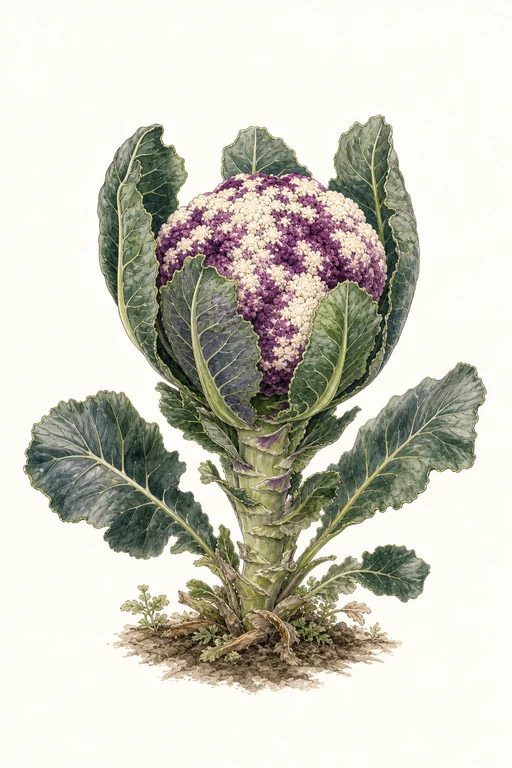
A living splash of color for the garden—Graffiti cauliflower forms tight, medium-large heads with vivid, graffiti-like purple and creamy white marbling that feels almost luminous against the foliage.
The curds are fine-textured and pleasantly firm, with a mild, sweet brassica flavor that shines whether you’re enjoying it fresh or roasting it until tender. Grow Graffiti for standout visual appeal and a versatile cauliflower head that makes every planting look like a masterpiece at harvest.
Light: Full SunMaturity: 70 DaysHabit: Rosette
Planting schedules and alerts are optimized for Columbus (Zone 6b).
Crop Dates
| Milestone | Date |
|---|---|
| Start Indoors | Mar 28th |
| Last Frost | Apr 25th |
| Transplant / Sow Outdoors | Apr 25th |
| Harvest Begins | Jul 4th |
| Harvest Ends | Oct 16th |
Crop Details
| Trait | Value |
|---|---|
| Days to Maturity | 70 |
| Sun Requirements | Full Sun |
| Growth Habit | Rosette |
| Support Needed | None |
| Planting Depth | Normal |
| Germination Temp (°F) | 45 |
| Min Soil Temp (°F) | 40 |
| Min Night Temp (°F) | 35 |
| Harden Off (days) | 6 |
Culinary Notes

Chef's Note
Graffiti cauliflower has firm, fine curds that stay sculptural through roasting, turning mostly buttery and lightly nutty instead of going sulfur-sour. The purple-and-white marbling is cosmetic, but the real win is how well it holds texture in hot, dry heat—gratin or browned florets are where it shows off.

Best Uses
- high-heat roasting to deepen caramelized edges without turning mushy
- quick pickling or quick-caramelized cauliflower florets for a tangy-sweet bite
- steamed-then-browned cauliflower ‘steaks’ where firmness matters
- creamy gratin base that lets the curds hold their shape

Flavor Profile

Frequently Asked Questions
What pests or diseases commonly affect Brassica oleracea var. botrytis (graffiti) and how can I address them?
How often should I water graffiti (Brassica oleracea var. botrytis) during the main growing phase?
How do I tell when graffiti (Brassica oleracea var. botrytis) is ready to harvest?
Sowing Tips

Transplant Conditions
Wait until soil reaches 40°F and nights stay above 35°F before moving outdoors. Harden off for 6 days first.
Expert Note

Start indoors for earlier heads, keep seedlings cool and consistently watered, and transplant into evenly fertile soil so the purple heads form before heat stresses them.