
Green Thumb
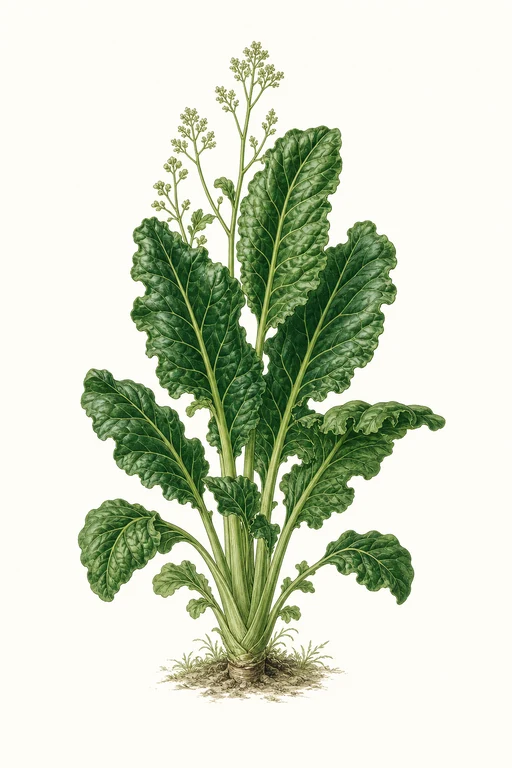
Tender, vividly green foliage with a softly succulent bite—Green Thumb amaranth delivers a lush, garden-fresh flavor that feels both bright and deeply earthy.
Leaves hold their color beautifully and offer a gentle, velvety texture that shines in quick skillet-style preparations, hearty soups, and vibrant sautés. Grow it for abundant harvests at about 45 days, and enjoy a steady stream of greens from a vigorous, upright plant that looks as good as it tastes.
Light: Full SunMaturity: 45 DaysHabit: Upright
Planting schedules and alerts are optimized for Columbus (Zone 6b).
Crop Dates
| Milestone | Date |
|---|---|
| Start Indoors | Direct Sow |
| Last Frost | Apr 25th |
| Transplant / Sow Outdoors | Apr 25th |
| Harvest Begins | Jun 9th |
| Harvest Ends | Oct 16th |
Crop Details
| Trait | Value |
|---|---|
| Days to Maturity | 45 |
| Sun Requirements | Full Sun |
| Growth Habit | Upright |
| Support Needed | None |
| Planting Depth | Surface |
| Germination Temp (°F) | 70 |
| Min Soil Temp (°F) | 60 |
| Min Night Temp (°F) | 50 |
| Harden Off (days) | Not Required |
Culinary Notes

Chef's Note
Green Thumb amaranth eats like a tender spinach cousin—succulent, not fibrous—so it benefits from fast heat and a late squeeze of lemon to sharpen the green savor. It holds up in brothy dishes without turning to mush, making it a reliable “add at the end” green.

Best Uses
- quick skillet sauté with olive oil and garlic-like aromatics (no long cooking needed)
- stir into soups/stews at the end for tender leaves that stay green
- wilt over hot grains or beans, then finish with acid to wake it up
- flash-cook and serve as a vibrant side with a salty, creamy finish

Flavor Profile

Frequently Asked Questions
What pest or disease commonly affects Amaranthus cruentus, and how can I manage it?
How often should I water Amaranthus cruentus during the main growing phase?
How do I tell when Amaranthus cruentus is ready to harvest?
Sowing Tips

Transplant Conditions
Wait until soil reaches 60°F and nights stay above 50°F before moving outdoors.
Expert Note

Sow shallow and keep evenly moist until seedlings establish—amaranth grows fast but is slow to recover from root disturbance.