
Gustus
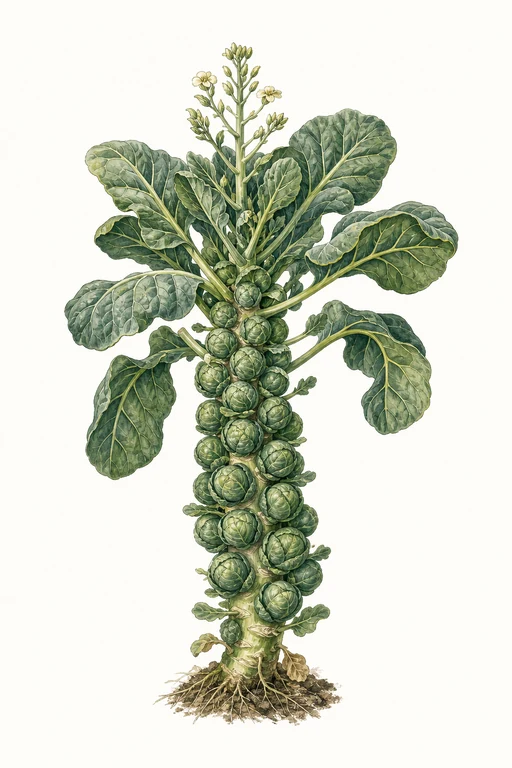
Sweet, nutty sprouts emerge in tidy ranks with a velvety, cabbage-satin texture—Gustus is prized for its rich flavor that deepens beautifully as the weather cools.
Compact heads form along sturdy stems, offering a satisfying bite whether you’re savoring them straight from the garden or turning them into glossy, savory pan sauces. A dependable 95-day choice for gardeners who want elegant, edible structure and bold, comforting taste in every harvest.
Light: Full SunMaturity: 95 DaysHabit: Upright
Planting schedules and alerts are optimized for Columbus (Zone 6b).
Crop Dates
| Milestone | Date |
|---|---|
| Start Indoors | Mar 28th |
| Last Frost | Apr 25th |
| Transplant / Sow Outdoors | Apr 25th |
| Harvest Begins | Jul 29th |
| Harvest Ends | Oct 16th |
Crop Details
| Trait | Value |
|---|---|
| Days to Maturity | 95 |
| Sun Requirements | Full Sun |
| Growth Habit | Upright |
| Support Needed | None |
| Planting Depth | Normal |
| Germination Temp (°F) | 45 |
| Min Soil Temp (°F) | 40 |
| Min Night Temp (°F) | 30 |
| Harden Off (days) | 6 |
Culinary Notes

Chef's Note
Gustus brussels sprouts have a sweeter, nuttier bent and a velvety cabbage texture that really rewards high-heat cooking—roast them until you get char-kissed edges, not gray overcooked stems. Their brassica bite softens as the temps drop, so they’re ideal for glossy butter-based pan sauces and sharp, acidic finishers like lemon or balsamic.

Best Uses
- shallow-roast or blister in hot oil until caramel edges show and centers stay tender
- sauté and finish with a glossy pan sauce for silky, coat-everything comfort
- shave/chop raw for a crunchy salad that holds vinaigrette without turning watery
- braise with butter or stock to mellow bitterness and round the nutty notes

Flavor Profile

Frequently Asked Questions
Why are my Brussels sprouts (Brassica oleracea var. gemmifera) developing yellowing leaves with pale stippling or webbing, and what should I do?
How often should I water Brussels sprouts during the main growing phase to keep heads forming well?
How can I tell when Brussels sprouts are ready to harvest at about 95 days?
Sowing Tips

Transplant Conditions
Wait until soil reaches 40°F and nights stay above 30°F before moving outdoors. Harden off for 6 days first.
Expert Note

For Brussels sprouts, keep seedlings cool and don’t rush transplanting—firm growth in cool weather improves tight sprout formation later in the season.