
Hasta La Pasta
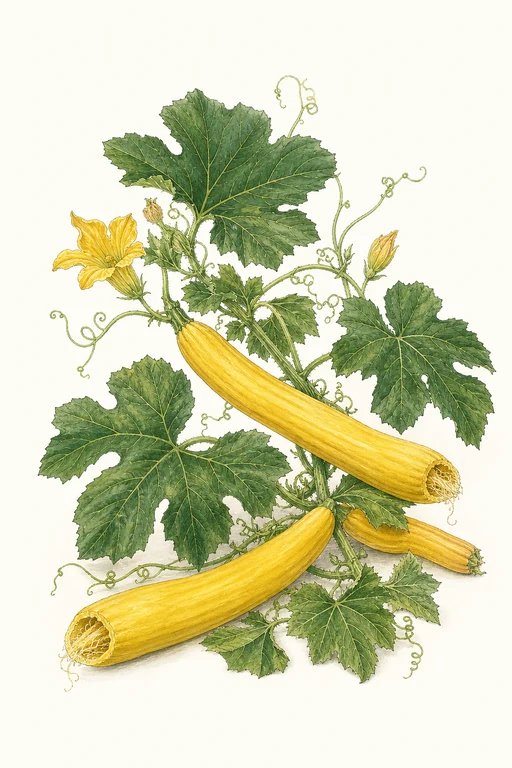
Silken strands spill from each golden, oblong Hasta La Pasta squash like warm sunlight—tender, springy, and remarkably stringy in texture.
The flesh cooks into long, spaghetti-like ribbons with a mild, mellow flavor that welcomes butter, herbs, and savory sauces alike. Ideal for gardeners who relish a showy harvest: grow it for its distinctive, noodle-forming interior and its satisfying, versatile table presence.
Light: Full SunMaturity: 95 DaysHabit: Vine
Planting schedules and alerts are optimized for Columbus (Zone 6b).
Crop Dates
| Milestone | Date |
|---|---|
| Start Indoors | Direct Sow |
| Last Frost | Apr 25th |
| Transplant / Sow Outdoors | May 9th |
| Harvest Begins | Aug 12th |
| Harvest Ends | Oct 16th |
Crop Details
| Trait | Value |
|---|---|
| Days to Maturity | 95 |
| Sun Requirements | Full Sun |
| Growth Habit | Vine |
| Support Needed | Trellis |
| Planting Depth | Normal |
| Germination Temp (°F) | 70 |
| Min Soil Temp (°F) | 65 |
| Min Night Temp (°F) | 55 |
| Harden Off (days) | 10 |
Culinary Notes

Chef's Note
Hasta La Pasta’s whole trick is that springy, spaghetti-like strand texture—cook it until tender but still resilient so it doesn’t collapse into mush. With its mild flavor, it’s built for aggressive pairing: butter, garlic, and a hearty red sauce cling in ribbons instead of pooling.

Best Uses
- baked or roasted strands under a butter-herb glaze
- quick skillet toss with garlic, chili, and olive oil
- use as a noodle stand-in for marinara and meat sauce
- finish with toasted cheese and a squeeze of lemon for lift

Flavor Profile

Frequently Asked Questions
What pest or disease most commonly affects Cucurbita pepo (spaghetti-type squash), and how can I control it?
How often should I water Cucurbita pepo during the main growing phase, and what soil moisture level should I maintain?
How do I know when Hasta La Pasta (Cucurbita pepo) is ready to harvest?
Sowing Tips

Transplant Conditions
Wait until soil reaches 65°F and nights stay above 55°F before moving outdoors. Harden off for 10 days first.

Direct Sow Preferred
Sensitive roots — does not transplant well. If starting indoors, use biodegradable pots and disturb roots as little as possible when moving outdoors.
Expert Note

For best flavor and storage, let fruits fully mature on the vine until the rind is hard and the skin resists thumbnail dents, then cure before storing.