
Headman
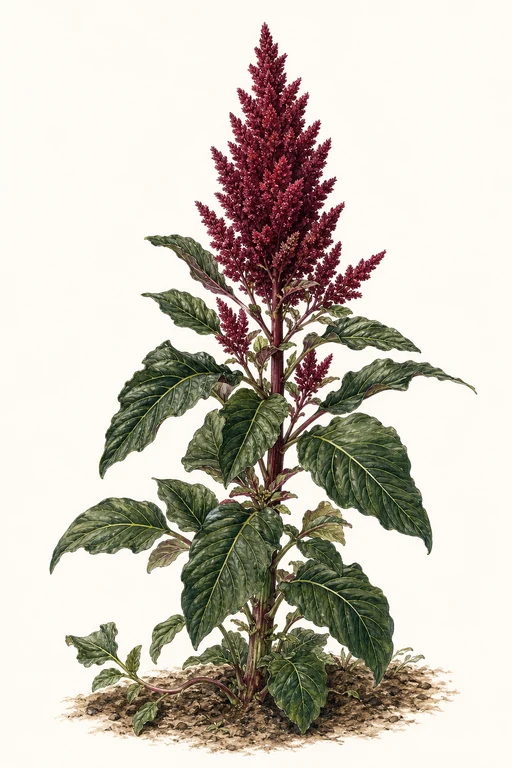
Sink your senses into Headman’s velvet, deep-green foliage and the softly luminous seedheads that rise like torchlight above the garden.
The leaves offer a tender, succulent bite with a pleasantly earthy, slightly sweet character, while the mature grains develop a hearty, nutty depth. Grow Headman for abundant harvests that shine in fresh salads, vibrant sautés, and hearty grain bowls—plus a bold, nutritious addition for homemade blends and pickling brines.
Light: Full SunMaturity: 70 DaysHabit: Upright
Planting schedules and alerts are optimized for Columbus (Zone 6b).
Crop Dates
| Milestone | Date |
|---|---|
| Start Indoors | Direct Sow |
| Last Frost | Apr 25th |
| Transplant / Sow Outdoors | Apr 25th |
| Harvest Begins | Jul 4th |
| Harvest Ends | Oct 16th |
Crop Details
| Trait | Value |
|---|---|
| Days to Maturity | 70 |
| Sun Requirements | Full Sun |
| Growth Habit | Upright |
| Support Needed | None |
| Planting Depth | Normal |
| Germination Temp (°F) | 70 |
| Min Soil Temp (°F) | 65 |
| Min Night Temp (°F) | 50 |
| Harden Off (days) | Not Required |
Culinary Notes

Chef's Note
Headman’s deep-green foliage eats tender and juicy, with an earth-sweet edge that doesn’t collapse under quick heat. When you let it run to grain, the nutty, chewy amaranth turns hearty—ideal for bowls and brines where texture matters.

Best Uses
- quick sautéed greens with garlic and a splash of acid to brighten the earth
- torn-leaf salads dressed lightly so the leaves stay velvety, not soggy
- grain-and-greens bowls where the amaranth adds a chewy, nutty bite
- thickening grain blends or folding into pickling brines for body

Flavor Profile

Frequently Asked Questions
What pest or disease most commonly affects Amaranthus cruentus (Headman), and how can I control it?
How often should I water Amaranthus cruentus during its main growing phase (around weeks 3–10)?
How do I know when Amaranthus cruentus (Headman) is ready to harvest?
Sowing Tips

Transplant Conditions
Wait until soil reaches 65°F and nights stay above 50°F before moving outdoors.
Expert Note

For the best sturdy, wind-tolerant habit and dense heads, keep moisture consistent and avoid transplant shock by direct-sowing where it will grow.