
Helda
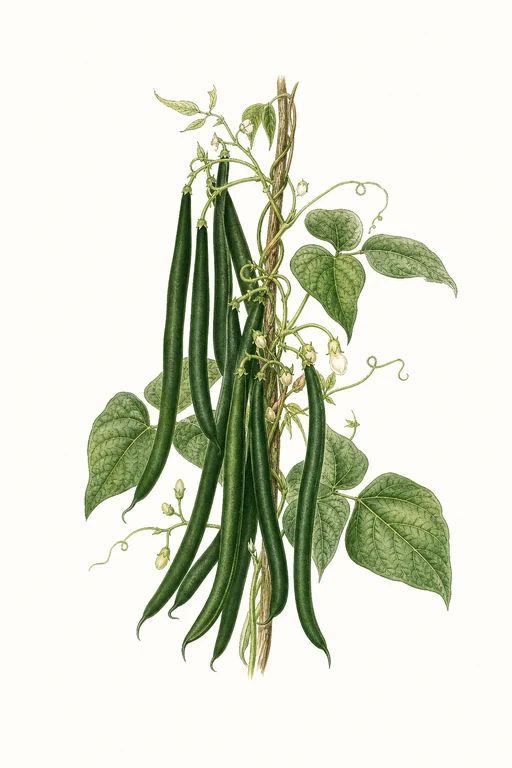
Savory, crisp pods of Helda come into their own with a bright, garden-fresh snap and a clean, sweet-bean flavor that feels unmistakably tender.
The long, straight pole beans hold their shape beautifully, staying pleasantly firm while delivering a smooth, succulent bite—ideal for repeat harvests from a vigorous climbing plant. Grow Helda for a steady stream of market-class pods that shine in the garden and perform beautifully in everyday bean favorites, from roasting-style caramelization to fresh, quick uses and vibrant sauces.
Light: Full SunMaturity: 65 DaysHabit: Upright
Planting schedules and alerts are optimized for Columbus (Zone 6b).
Crop Dates
| Milestone | Date |
|---|---|
| Start Indoors | Direct Sow |
| Last Frost | Apr 25th |
| Transplant / Sow Outdoors | Apr 25th |
| Harvest Begins | Jun 29th |
| Harvest Ends | Oct 16th |
Crop Details
| Trait | Value |
|---|---|
| Days to Maturity | 65 |
| Sun Requirements | Full Sun |
| Growth Habit | Upright |
| Support Needed | Trellis |
| Planting Depth | Normal |
| Germination Temp (°F) | 75 |
| Min Soil Temp (°F) | 60 |
| Min Night Temp (°F) | 50 |
| Harden Off (days) | Not Required |
Culinary Notes

Chef's Note
Helda’s long, straight pods stay pleasantly firm, so they don’t collapse into stringy mush when you hit them with fast heat. Use that snap—roast for browned edges or sauté hard and finish with lemon/butter for a crisp, luminous bean bite.

Best Uses
- quick-sauté in high heat with garlic and olive oil
- roast until blistered and lightly caramelized at the edges
- steamed and finished with lemon zest + butter for a clean, glossy bite
- chopped into warm bean salads or folded into light pan sauces

Flavor Profile

Frequently Asked Questions
What’s a common problem for Phaseolus vulgaris (common bean) and how do I treat it?
How often should I water Phaseolus vulgaris during the main growing phase?
How do I know when Phaseolus vulgaris is ready to harvest?
Sowing Tips

Transplant Conditions
Wait until soil reaches 60°F and nights stay above 50°F before moving outdoors.
Expert Note

Direct-sow after soil warms so pods form quickly—keep soil evenly moist early for tender, gourmet-quality beans.