
Hong Toshu
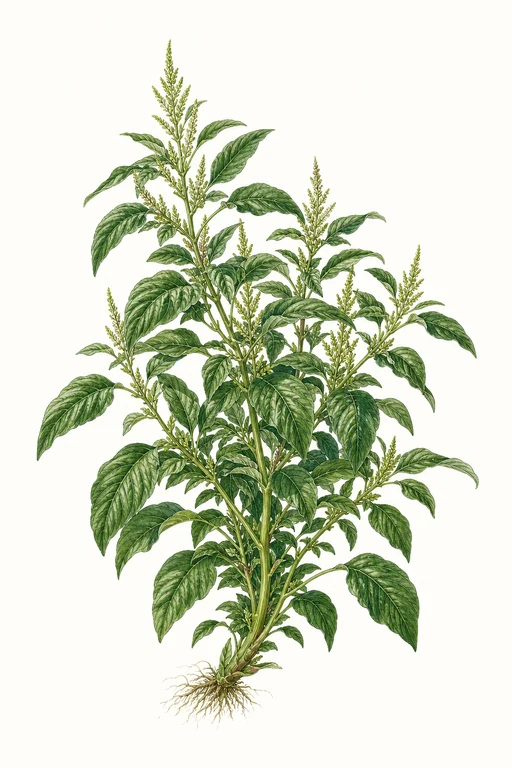
Tender, fast-growing Hong Toshu leafy amaranth brings a lush, spinach-like succulence with a gently sweet, green-forward flavor.
Leaves form in generous clusters, with a crisp-yet-silky texture that stays vibrant through repeated harvests. Ideal for fresh bunches and quick sautés, it’s a beautiful, productive choice for gardeners who love bold greens and reliable, 45-day results.
Light: Full SunMaturity: 45 DaysHabit: Upright
Planting schedules and alerts are optimized for Columbus (Zone 6b).
Crop Dates
| Milestone | Date |
|---|---|
| Start Indoors | Direct Sow |
| Last Frost | Apr 25th |
| Transplant / Sow Outdoors | Apr 25th |
| Harvest Begins | Jun 9th |
| Harvest Ends | Oct 16th |
Crop Details
| Trait | Value |
|---|---|
| Days to Maturity | 45 |
| Sun Requirements | Full Sun |
| Growth Habit | Upright |
| Support Needed | None |
| Planting Depth | Normal |
| Germination Temp (°F) | 70 |
| Min Soil Temp (°F) | 60 |
| Min Night Temp (°F) | 40 |
| Harden Off (days) | Not Required |
Culinary Notes

Chef's Note
Hong Toshu leafy amaranth cooks fast and stays lush—its leaves get silky without turning mushy, so it stands up to high-heat sautéing. Go bold with garlic/chili or sesame-soy; it’s a green that wants contrast, bright acid, and a little fire.

Best Uses
- fast sauté with garlic and chili to keep the leaves glossy
- steamed or quick-blanched greens for tossing with sesame or soy
- light stir-fry where the stems stay pleasantly snappy
- fresh bunch use in warm salads where they wilt but stay intact

Flavor Profile

Frequently Asked Questions
What pest or disease most commonly affects Amaranthus viridis (red leaf vegetable amaranth), and how can I control it at home?
How often should I water Amaranthus viridis during the main growing phase?
How do I tell when Amaranthus viridis is ready to harvest?
Sowing Tips

Transplant Conditions
Wait until soil reaches 60°F and nights stay above 40°F before moving outdoors.
Expert Note

For Hong Toshu, sow after soil warms and keep soil evenly moist—consistent moisture drives fast, tender leaf growth for cooking.