
Hopi Yellow Bean
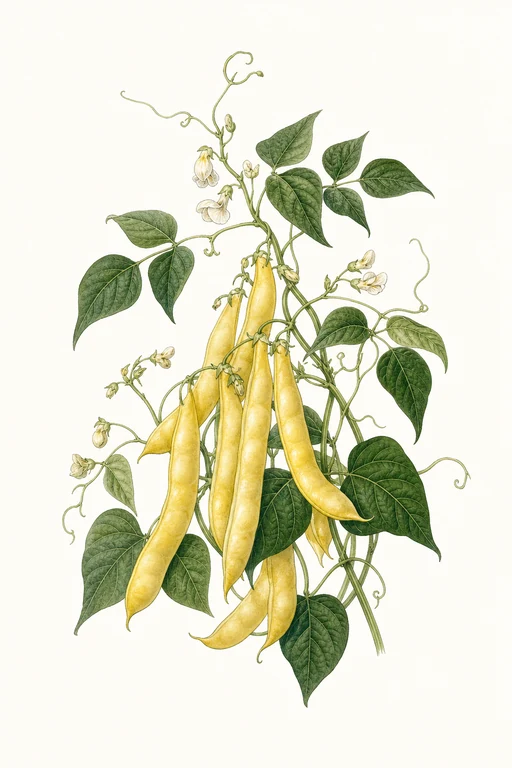
Sunlit and velvety, Hopi Yellow Bean fills the garden with warm, golden pods that mature into creamy, buttery beans of exceptional tenderness.
The flavor is mild and sweet with a delicate, satiny texture that holds its shape beautifully—ideal for hearty, comforting dishes and elegant spoonfuls alike. Grow this Lima-class favorite for a harvest that feels both heritage-rich and quietly luxurious, from first bloom to the final golden pod.
Light: Full SunMaturity: 90 DaysHabit: Bush
Planting schedules and alerts are optimized for Columbus (Zone 6b).
Crop Dates
| Milestone | Date |
|---|---|
| Start Indoors | Direct Sow |
| Last Frost | Apr 25th |
| Transplant / Sow Outdoors | Apr 25th |
| Harvest Begins | Jul 24th |
| Harvest Ends | Oct 16th |
Crop Details
| Trait | Value |
|---|---|
| Days to Maturity | 90 |
| Sun Requirements | Full Sun |
| Growth Habit | Bush |
| Support Needed | Trellis |
| Planting Depth | Normal |
| Germination Temp (°F) | 70 |
| Min Soil Temp (°F) | 60 |
| Min Night Temp (°F) | 55 |
| Harden Off (days) | Not Required |
Culinary Notes

Chef's Note
Hopi Yellow Bean eats like a gentle lima—creamy and satiny without turning to mush—so it loves butter, aromatics, and a squeeze of lemon to keep it bright. Use it in spoonable braises or rich purées where its shape and tenderness can shine, not get roughed up by aggressive textures.

Best Uses
- butter-slick succotash with peppers and onions
- warm bean mash or purée for a spoon-on centerpiece
- herb-flecked braise where the beans need to stay intact
- soups and stews where you want a silky, non-gritty body

Flavor Profile

Frequently Asked Questions
What pests or diseases commonly affect Phaseolus lunatus (Hopi Yellow Bean), and how do I control them?
How often should I water Phaseolus lunatus during the main growing phase?
How can I tell when Hopi Yellow Bean (Phaseolus lunatus) is ready to harvest?
Sowing Tips

Transplant Conditions
Wait until soil reaches 60°F and nights stay above 55°F before moving outdoors.
Expert Note

For best drought-tolerant performance, sow after soil warms and keep watering minimal once plants are established, since lima beans dislike cold, wet soil.