
Ianto's Return
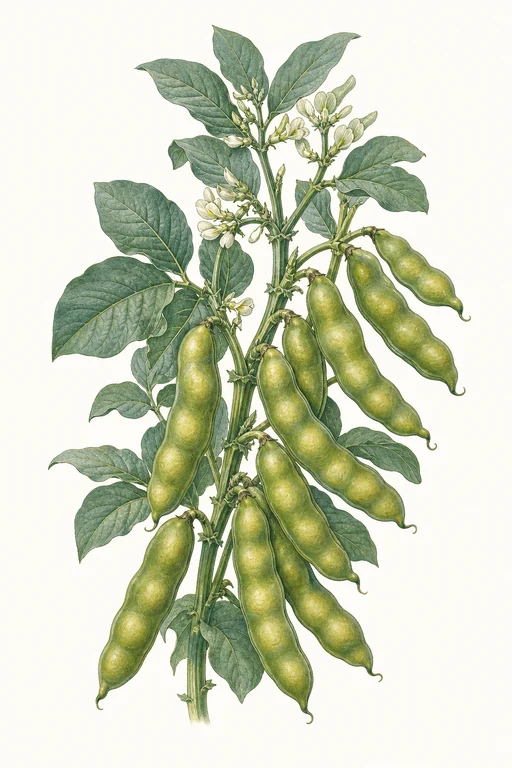
Sweetly fragrant pods with a gentle, green snap—then inside, Ianto’s Return reveals plump broad beans of a creamy, buttery tone.
The texture is tender and substantial, with a mild, naturally nutty flavor that shines in hearty preparations and also tastes wonderfully fresh when young. Grow this 100-day favorite for reliable yields of substantial pods that feel satisfying to harvest and make a beautiful addition to your garden’s edible landscape.
Light: Full SunMaturity: 100 DaysHabit: Upright
Planting schedules and alerts are optimized for Columbus (Zone 6b).
Crop Dates
| Milestone | Date |
|---|---|
| Start Indoors | Direct Sow |
| Last Frost | Apr 25th |
| Transplant / Sow Outdoors | Apr 25th |
| Harvest Begins | Aug 3rd |
| Harvest Ends | Oct 16th |
Crop Details
| Trait | Value |
|---|---|
| Days to Maturity | 100 |
| Sun Requirements | Full Sun |
| Growth Habit | Upright |
| Support Needed | None |
| Planting Depth | Normal |
| Germination Temp (°F) | 55 |
| Min Soil Temp (°F) | 40 |
| Min Night Temp (°F) | 28 |
| Harden Off (days) | Not Required |
Culinary Notes

Chef's Note
These broad beans earn their spot for that inside-the-pod creaminess plus a still-substantial bite—nothing watery, nothing mushy. Use them early and they taste like sweet, fresh nuts; cook them down and they become velvety enough for purée without losing structure.

Best Uses
- quick-boil and salt—then pop beans out for a warm, spoonable side with butter
- pan-fry blanched beans with garlic and olive oil for a glossy, lightly caramelized edge
- toss into springy salads with lemon and shaved aged cheese
- fold into thick soups or purées where the beans can go creamy without turning grainy

Flavor Profile

Frequently Asked Questions
What’s a common disease or pest problem for Vicia faba (fava/Ianto’s Return), and how do I control it?
How often should I water Vicia faba during the main growing phase?
How can I tell when Ianto’s Return (Vicia faba) is ready to harvest?
Sowing Tips

Transplant Conditions
Wait until soil reaches 40°F and nights stay above 28°F before moving outdoors.
Expert Note

Direct sow broad beans in cool weather and keep the bed evenly moist until plants are established to support sturdy stems and large pods.