
Imperial Green
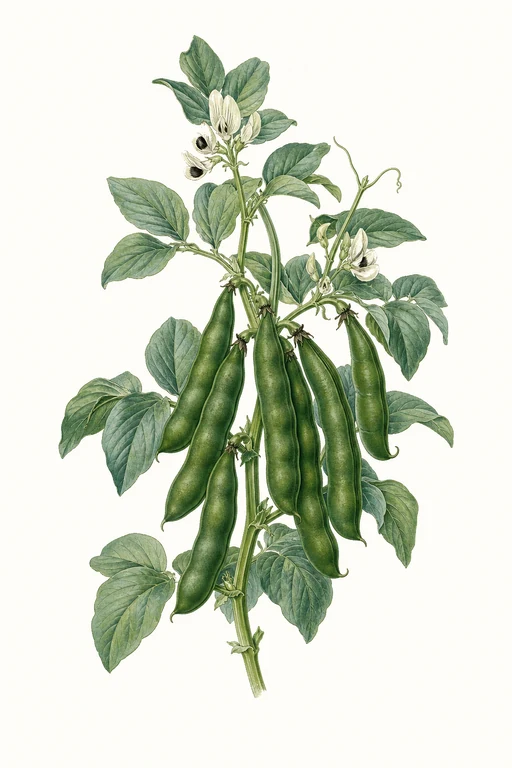
Sink your senses into Imperial Green’s lush, velvety pods that mature to a rich, deep forest-green—an inviting sight before you ever taste.
The beans inside develop a satisfyingly substantial, creamy texture with a fresh, sweet-green flavor that shines in hearty broad-bean preparations, from roasting to purées and savory sauces. Grow Imperial Green for dependable, season-long performance and a garden harvest that feels as luxurious as it looks.
Light: Full SunMaturity: 100 DaysHabit: Upright
Planting schedules and alerts are optimized for Columbus (Zone 6b).
Crop Dates
| Milestone | Date |
|---|---|
| Start Indoors | Direct Sow |
| Last Frost | Apr 25th |
| Transplant / Sow Outdoors | Apr 25th |
| Harvest Begins | Aug 3rd |
| Harvest Ends | Oct 16th |
Crop Details
| Trait | Value |
|---|---|
| Days to Maturity | 100 |
| Sun Requirements | Full Sun |
| Growth Habit | Upright |
| Support Needed | None |
| Planting Depth | Normal |
| Germination Temp (°F) | 55 |
| Min Soil Temp (°F) | 40 |
| Min Night Temp (°F) | 28 |
| Harden Off (days) | Not Required |
Culinary Notes

Chef's Note
Imperial Green’s creamy-bean flesh holds together without turning grainy, so it’s built for purées that stay glossy and thick rather than watery. Its sweet-green flavor loves bright acid and fat—think butter and lemon or olive oil and garlic—so it tastes vivid even in long-cooked dishes.

Best Uses
- fresh shelled beans sautéed with butter until glossy and tender
- purée or dip base—silky, thick, and spoonable
- roasting for browned edges with a soft center
- folded into savory stews and bean-forward sauces

Flavor Profile

Frequently Asked Questions
What pest or disease most often affects Vicia faba (fava beans) and how can I control it?
How often should I water Vicia faba during the main growing phase?
How do I tell when Vicia faba (fava beans) are ready to harvest?
Sowing Tips

Transplant Conditions
Wait until soil reaches 40°F and nights stay above 28°F before moving outdoors.
Expert Note

Direct-sow broad beans as soon as soil can be worked, keep evenly moist early, and don’t disturb roots once sown.