
SproutSmart
SproutSmart™ Intelligent Garden Sowing

Kelvin

Family: Apiaceae Vegetable

Planting Schedule

Provide your location or planting zone to unlock dates and add Kelvin to a garden.

Crisp and intensely aromatic, Kelvin celery forms tall, tightly gathered stalks with a cool, clean snap and a bright, herbaceous flavor.

The texture stays pleasantly firm from garden to table, making these slender ribs ideal for fresh bunches and for enlivening sauces, soups, and pickling brines. Grow Kelvin for a dependable 90-day season and a standout, upright clump that looks as good as it tastes.

Light: Part SunMaturity: 90 DaysHabit: Upright
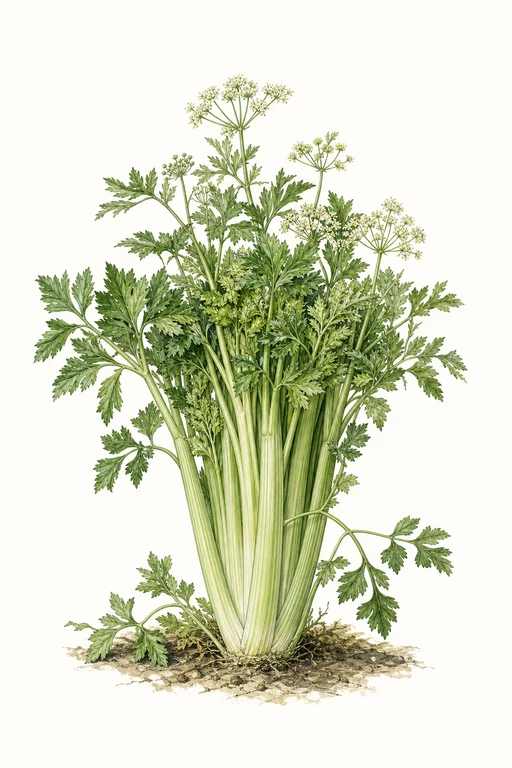
Botanical illustration of Kelvin

Location not set yet

Location not set yet

Enter your ZIP for local crop dates

Kelvin Planting Dates by USDA Zone

Estimated US hardiness-zone windows for sow, transplant, and harvest. Enter a US ZIP above for exact local dates, or open a zone below.

Zone Start Indoors Sow / Transplant Harvest
Zone 1a Protected Environment Only
Zone 1b Protected Environment Only
Zone 2a Mar 16th May 18th Aug 16th – Aug 29th
Zone 2b Mar 6th May 8th Aug 6th – Aug 25th
Zone 3a Mar 6th May 8th Aug 6th – Sep 1st
Zone 3b Mar 10th May 12th Aug 10th – Sep 21st
Zone 4a Mar 6th May 8th Aug 6th – Sep 24th
Zone 4b Mar 4th May 6th Aug 4th – Sep 27th
Zone 5a Feb 27th May 1st Jul 30th – Sep 30th
Zone 5b Feb 23rd Apr 27th Jul 26th – Oct 5th
Zone 6a Feb 20th Apr 24th Jul 23rd – Oct 10th
Zone 6b Feb 14th Apr 18th Jul 17th – Oct 16th
Zone 7a Feb 9th Apr 13th Jul 12th – Oct 20th
Zone 7b Jan 30th Apr 3rd Jul 2nd – Oct 28th
Zone 8a Jan 21st Mar 25th Jun 23rd – Nov 5th
Zone 8b Jan 12th Mar 16th Jun 14th – Nov 12th
Zone 9a Dec 26th Feb 27th May 28th – Nov 26th
Zone 9b Dec 1st Feb 2nd May 3rd – Dec 9th
Zone 10a — Oct 1st Dec 30th – Feb 28th
Zone 10b — Oct 1st Dec 30th – Feb 28th
Zone 11a — Oct 1st Dec 30th – Feb 28th
Zone 11b — Oct 1st Dec 30th – Feb 28th
Zone 12a — Oct 1st Dec 30th – Feb 28th
Zone 12b — Oct 1st Dec 30th – Feb 28th
Zone 13a — Oct 1st Dec 30th – Feb 28th
Zone 13b — Oct 1st Dec 30th – Feb 28th

Crop Details

TraitValue
Days to Maturity90
Sun RequirementsPart SunPartial sun
Growth HabitUpright
Support NeededNone
Planting DepthNormal
Germination Temp (°F)70
Min Soil Temp (°F)45
Min Night Temp (°F)35
Harden Off (days)7

Culinary Notes


Chef's Note

Kelvin celery is built for texture: it stays firm and upright-fresh, so it doesn’t collapse into watery threads in soups or brines. Use it when you want that cool, herbaceous snap—raw, lightly dressed, or cooked just long enough to turn its perfume into a clean backbone.

Best Uses

  • raw snacking sticks with salty dip (keeps its snap)
  • quick-chopped mirepoix base for soups and stocks
  • stir-in or blitz into silky, aromatic sauces for a fresh-green lift
  • vinegar brines for refrigerator pickles that stay snappy

Flavor Profile

cool, clean aromatics bright herbaceous bite tightly crisp stalk crunch gentle celery sweetness

Kitchen Pairings

lemon parmesan smoked fish chicken broth olive oil mustard

Frequently Asked Questions


Why are my celery (Apium graveolens var. dulce) plants getting brown, crusty spots on leaves and collapsing, and what should I do?
Celery commonly develops fungal leaf blights and stem rots, especially when foliage stays wet and air can’t move. Remove and discard badly affected leaves, water at the soil line (not over the top), and thin plants so they’re not crowded. If the weather is persistently humid, apply a labeled fungicide for celery/leaf blight and avoid harvesting from wet plants to reduce spread.
How often should I water sweet celery during the main growing phase to keep it tender (not stringy)?
During the active growth period, keep the soil evenly moist—aim for about 1–2 inches of water per week, adjusting for heat and container size. Water deeply so moisture reaches the root zone, and avoid letting the soil dry out between waterings because celery responds with toughness and pithiness. Mulch around plants to stabilize moisture, especially in part-sun conditions where the topsoil can dry quickly.
How can I tell when sweet celery (Apium graveolens var. dulce) is ready to harvest after ~90 days?
Harvest when the stalks have thickened and you can feel firm, solid cores with crisp “snap” rather than soft, loose stems. Typically this is around 90 days from transplanting (or near the end of the season from sowing, depending on your start), but focus on stalk size and firmness. For best flavor, harvest before prolonged hot weather; blanching (earthing up or covering stems) can improve color and tenderness if your plants are big enough.