
Kentucky King
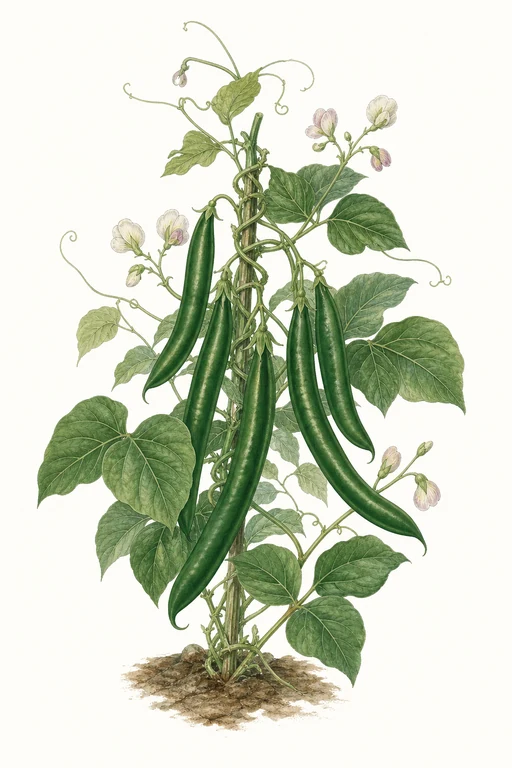
Sink your fork into Kentucky King’s tender, stringless pods—crisp and vividly green with a clean, sweet snap that feels almost luminous from the garden.
At maturity, the slender, upright pole habit produces a steady flow of uniform pods with a fine, meaty texture that shines in fresh salads, quick sautéing, and vibrant pickling. Grow it for reliable summer harvests and that classic bean flavor that’s as dependable as it is delicious.
Light: Full SunMaturity: 60 DaysHabit: Clumping
Planting schedules and alerts are optimized for Columbus (Zone 6b).
Crop Dates
| Milestone | Date |
|---|---|
| Start Indoors | Direct Sow |
| Last Frost | Apr 25th |
| Transplant / Sow Outdoors | Apr 25th |
| Harvest Begins | Jun 24th |
| Harvest Ends | Oct 16th |
Crop Details
| Trait | Value |
|---|---|
| Days to Maturity | 60 |
| Sun Requirements | Full Sun |
| Growth Habit | Clumping |
| Support Needed | Trellis |
| Planting Depth | Normal |
| Germination Temp (°F) | 70 |
| Min Soil Temp (°F) | 60 |
| Min Night Temp (°F) | 45 |
| Harden Off (days) | Not Required |
Culinary Notes

Chef's Note
Kentucky King’s whole trick is the tender, stringless pod—fast heat preserves that crisp sweetness so it reads as green and clean, not vegetal. Use it hard and quick (or pickle it) so the texture stays fine and meaty instead of turning flat and fibrous.

Best Uses
- quick hot-sauté in a screaming pan with olive oil and garlic—pods stay crisp
- steam/blanch and toss into salads so the snap doesn’t fold into mush
- pickling for bright acidity that keeps their bite
- stir-fries where slender pods need fast heat and even coating

Flavor Profile

Frequently Asked Questions
What pest or disease issue commonly affects Phaseolus vulgaris (Kentucky Wonder Pole beans), and how do I treat it?
How often should I water Phaseolus vulgaris during the main growing phase (after it starts climbing)?
How can I tell when Kentucky Wonder pole beans are ready to harvest?
Sowing Tips

Transplant Conditions
Wait until soil reaches 60°F and nights stay above 45°F before moving outdoors.
Expert Note

Sow pole beans directly after soil warms (and when days are reliably mild), then keep moisture steady to prevent stringiness and poor pod fill.