
Kentucky Wonder Pole
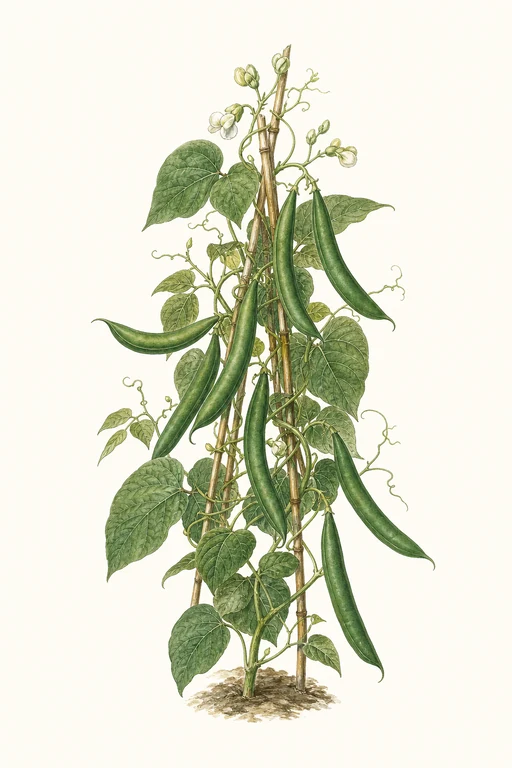
Savory, garden-fresh flavor meets a crisp, tender bite in Kentucky Wonder Pole bean—long, gracefully curved pods that feel satisfyingly smooth and fleshy at peak picking.
Expect steady, vigorous climbing performance with pods that stay flavorful and pleasantly meaty, ideal for turning into abundant harvests for the table. A classic pole bean choice for gardeners who want reliable production and beautifully uniform, roast-worthy green pods.
Light: Full SunMaturity: 60 DaysHabit: Clumping
Crop Dates : 13a
| Milestone | Date |
|---|---|
| Start Indoors | — |
| Climate | Frost-Free Climate |
| Transplant / Sow Outdoors | Oct 1st |
| Harvest Begins | Nov 30th |
| Harvest Ends | Feb 28th |
Crop Details
| Trait | Value |
|---|---|
| Days to Maturity | 60 |
| Sun Requirements | Full Sun |
| Growth Habit | Clumping |
| Support Needed | Trellis |
| Planting Depth | Normal |
| Germination Temp (°F) | 70 |
| Min Soil Temp (°F) | 60 |
| Min Night Temp (°F) | 50 |
| Harden Off (days) | Not Required |
Culinary Notes

Chef's Note
Kentucky Wonder Pole delivers that rare pole-bean combo: a smooth, fleshy pod that cooks fast without turning stringy, so you get clean snap with real “bean” savor. It loves high-heat treatments—sear, roast, or quick sauté—then gets brighter with lemon and salty fat.

Best Uses
- quick sauté in hot fat until blistered but still crisp
- roast on a sheet pan with olive oil and garlic for caramel-edge pods
- steam and finish with lemon, butter, and flaky salt
- toss into summer pasta where the pods hold shape and texture

Flavor Profile

Frequently Asked Questions
What pest or disease commonly affects Phaseolus vulgaris (Kentucky Wonder pole beans), and what should I do?
How often should I water Kentucky Wonder pole beans during the main growing phase?
How can I tell when Kentucky Wonder pole beans are ready to harvest?
Sowing Tips

Transplant Conditions
Wait until soil reaches 60°F and nights stay above 50°F before moving outdoors.
Expert Note

For Kentucky Wonder pole beans, keep soil evenly moist until emergence and avoid transplanting—direct sow after soil warms to prevent stress and skipped harvest.