
Kinnaur
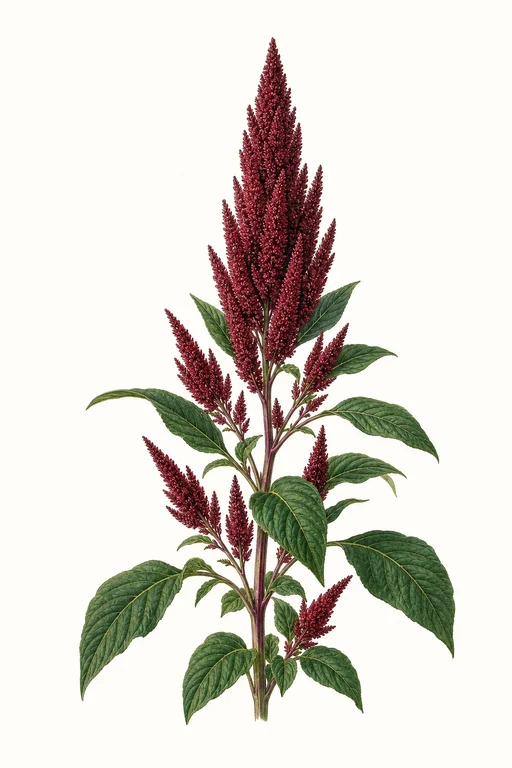
Feel the warm, nutty perfume rise from Kinnaur grain amaranth as the plumes mature—an earthy, toasted flavor with a pleasantly chewy bite that’s wonderfully satisfying in grain bowls and hearty blends.
The seed heads develop into dense, upright spikes that dry down reliably, yielding abundant, uniform grain for everyday pantry use. Grow Kinnaur for a bold, ornamental-to-productive plant that turns late-season color into a wholesome harvest.
Light: Full SunMaturity: 70 DaysHabit: Upright
Planting schedules and alerts are optimized for Columbus (Zone 6b).
Crop Dates
| Milestone | Date |
|---|---|
| Start Indoors | Direct Sow |
| Last Frost | Apr 25th |
| Transplant / Sow Outdoors | Apr 25th |
| Harvest Begins | Jul 4th |
| Harvest Ends | Oct 16th |
Crop Details
| Trait | Value |
|---|---|
| Days to Maturity | 70 |
| Sun Requirements | Full Sun |
| Growth Habit | Upright |
| Support Needed | None |
| Planting Depth | Normal |
| Germination Temp (°F) | 70 |
| Min Soil Temp (°F) | 55 |
| Min Night Temp (°F) | 35 |
| Harden Off (days) | Not Required |
Culinary Notes

Chef's Note
Kinnaur grain amaranth tastes like toasted nuts that keep their backbone—each seed stays chewy instead of going soft and porridge-y. That texture makes it ideal for warm bowls, thickening duties, and breads where you want crunch-adjacent satisfaction without needing crusty toppings.

Best Uses
- dry toast and simmer into chewy grain bowls
- mix into hearty bread/flatbread dough for a nutty chew
- use as a quick-cooking base for warm salads with vinaigrette
- thicken and enrich soups and stews with a spoonable, grainy texture

Flavor Profile

Frequently Asked Questions
How do I manage powdery mildew on Amaranthus hypochondriacus (Kinnaur)?
How often should I water Kinnaur during the main growing phase to prevent poor growth?
When is Amaranthus hypochondriacus ready to harvest?
Sowing Tips

Transplant Conditions
Wait until soil reaches 55°F and nights stay above 35°F before moving outdoors.
Expert Note

For the cool-night-tolerant Kinnaur amaranth, sow directly once nights are reliably above freezing and keep soil evenly moist until established.