
Kolibri F1
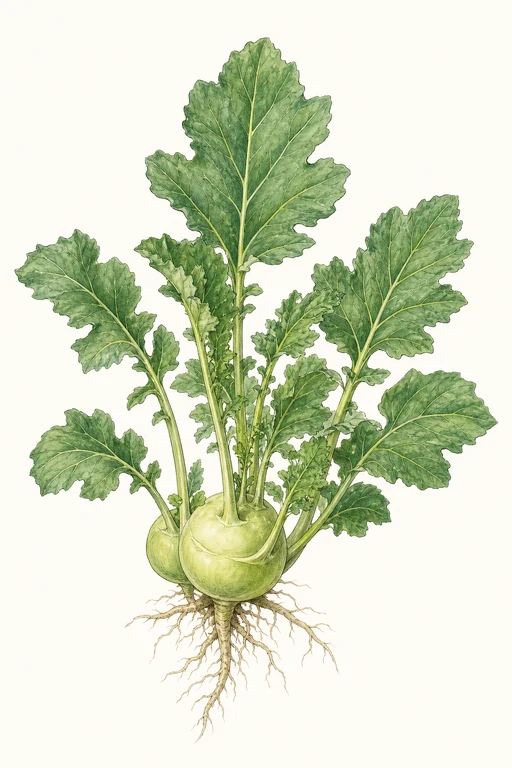
Sweetly crisp and delicately nutty, Kolibri F1 forms compact, globe-like kohlrabi with a tender, juicy bite and a smooth, satiny skin.
The flesh stays pleasantly mild as it matures, making these bulbs especially satisfying for fresh use and quick turnarounds in the garden. Grow Kolibri F1 for reliable, early harvests—48 days to maturity—when you want uniform shape, clean flavor, and a refreshing crunch in every planting.
Light: Full SunMaturity: 48 DaysHabit: Rosette
Planting schedules and alerts are optimized for Columbus (Zone 6b).
Crop Dates
| Milestone | Date |
|---|---|
| Start Indoors | Mar 28th |
| Last Frost | Apr 25th |
| Transplant / Sow Outdoors | Apr 18th |
| Harvest Begins | Jun 5th |
| Harvest Ends | Oct 16th |
Crop Details
| Trait | Value |
|---|---|
| Days to Maturity | 48 |
| Sun Requirements | Full Sun |
| Growth Habit | Rosette |
| Support Needed | None |
| Planting Depth | Normal |
| Germination Temp (°F) | 45 |
| Min Soil Temp (°F) | 40 |
| Min Night Temp (°F) | 32 |
| Harden Off (days) | 6 |
Culinary Notes

Chef's Note
Kolibri F1’s satiny skin and juicy, mild flesh keep their sweet-nut snap—so it behaves beautifully raw, not just cooked. Treat it like a crunchy vegetable you can season hard (citrus, mustard, dairy) and it’ll stay composed instead of getting cabbagey or woody.

Best Uses
- thin shaved raw into salads where it stays snappy
- quick-pickled rounds for a clean sour-crunch
- seared or blistered slices with a fast pan glaze (won’t turn harsh)
- lightly steamed then dressed—hot but not softening into mash

Flavor Profile

Frequently Asked Questions
What pest or disease commonly affects Kohlrabi (Brassica oleracea var. gongylodes), and how can I control it?
How often should I water kohlrabi during the main growing phase to form good bulbs?
How do I tell when kohlrabi is ready to harvest?
Sowing Tips

Transplant Conditions
Wait until soil reaches 40°F and nights stay above 32°F before moving outdoors. Harden off for 6 days first.
Expert Note

For best texture and flavor, keep soil evenly moist and harvest kohlrabi when bulbs are still small-to-medium (overgrown bulbs get woody).