
Kraka
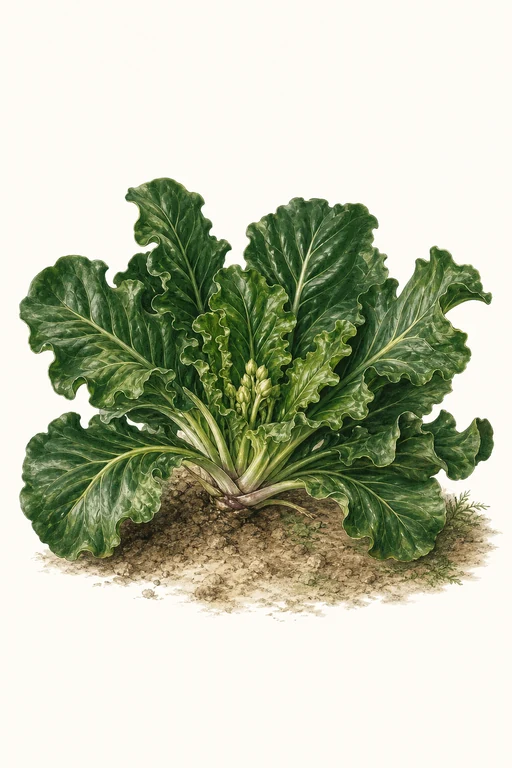
Silken, broad leaves unfurl in a lush rosette, carrying a crisp, pleasantly bitter snap that turns beautifully mellow when grown with steady coolness.
Kraka’s Batavian form is richly textured—wide, softly ruffled blades with a tender bite—ideal for fresh salads and vibrant greens-forward dishes, as well as braises and quick sautéed preparations. Grow it for a dependable 50-day harvest window and a striking, garden-to-table centerpiece of deep green foliage.
Light: Full SunMaturity: 50 DaysHabit: Rosette
Planting schedules and alerts are optimized for Columbus (Zone 6b).
Crop Dates
| Milestone | Date |
|---|---|
| Start Indoors | Mar 28th |
| Last Frost | Apr 25th |
| Transplant / Sow Outdoors | Apr 25th |
| Harvest Begins | Jun 14th |
| Harvest Ends | Oct 16th |
Crop Details
| Trait | Value |
|---|---|
| Days to Maturity | 50 |
| Sun Requirements | Full Sun |
| Growth Habit | Rosette |
| Support Needed | None |
| Planting Depth | Normal |
| Germination Temp (°F) | 45 |
| Min Soil Temp (°F) | 40 |
| Min Night Temp (°F) | 28 |
| Harden Off (days) | 6 |
Culinary Notes

Chef's Note
Kraka’s Batavian rosette gives you broad, ruffled leaves with a crisp bite and a chicory bitterness that cooks down into something silky instead of harsh. Treat it like escarole-and-lettuce crossover: it stays snappy in raw salad, then goes spoon-soft in a quick braise or hot pan.

Best Uses
- cold salads where the leaves hold vinaigrette without collapsing
- braising or short sautéing to turn bitterness silky and rounded
- grilling/char-pan roasting for caramelized edges and smoky depth
- using whole rosette leaves as a crunchy platter base for toppings

Flavor Profile

Frequently Asked Questions
Why are my Kraka (Cichorium endivia) leaves developing silvery streaks or small webbing, and what should I do?
How often should I water Kraka (Cichorium endivia) during the main growth phase, and what soil moisture target should I maintain?
How can I tell when Kraka (Cichorium endivia) is ready to harvest?
Sowing Tips

Transplant Conditions
Wait until soil reaches 40°F and nights stay above 28°F before moving outdoors. Harden off for 6 days first.
Expert Note

For the crunchiest, least-bitter leaves, grow Kraka in cool weather and avoid heat stress; shade slightly if afternoons get warm.