
Kyoto Mizuna
Tender Kyoto Mizuna unfurls with a cool, peppery snap and a clean, gently sweet finish—bright as fresh spring air.
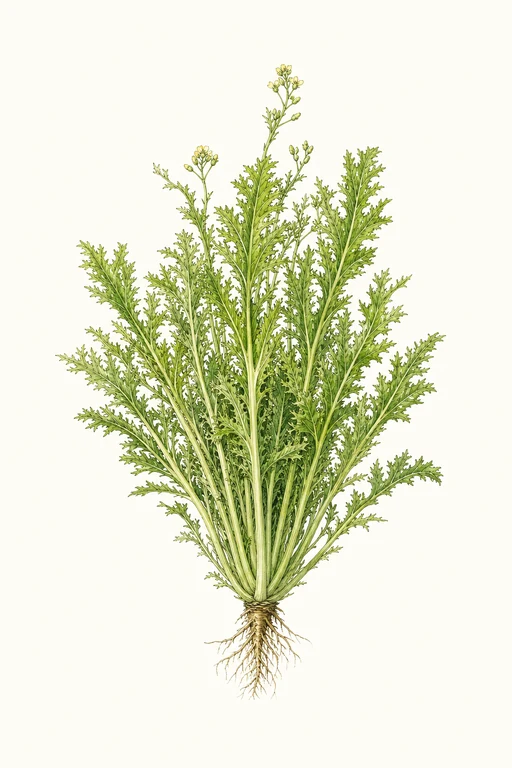
Its leaves are finely frilled and deeply textured, forming an upright, airy rosette that stays pleasantly crisp through repeated harvests. Ideal for stir-fries, quick sautés, and vibrant salads, it also shines in silky sauces and quick pickles where its lively mustard character can take center stage.
Light: Full SunMaturity: 45 DaysHabit: Rosette
Planting schedules and alerts are optimized for Columbus (Zone 6b).
Crop Dates
| Milestone | Date |
|---|---|
| Start Indoors | Mar 28th |
| Last Frost | Apr 25th |
| Transplant / Sow Outdoors | Apr 18th |
| Harvest Begins | Jun 2nd |
| Harvest Ends | Oct 16th |
Crop Details
| Trait | Value |
|---|---|
| Days to Maturity | 45 |
| Sun Requirements | Full Sun |
| Growth Habit | Rosette |
| Support Needed | None |
| Planting Depth | Normal |
| Germination Temp (°F) | 45 |
| Min Soil Temp (°F) | 40 |
| Min Night Temp (°F) | 30 |
| Harden Off (days) | 5 |
Culinary Notes

Chef's Note
Kyoto Mizuna eats bright: it brings a cool, peppery snap that lifts heavier fats and salty sauces without turning bitter if you treat it like a quick-cook leaf. Use it near the end or it’ll lose that frilled crunch that makes it feel so alive.

Best Uses
- flash stir-fries where it stays crisp, not stewed
- quick sauté in garlic-tinged oil, finished with lemon zest
- crisp-toss salads under a light vinaigrette (or mustardy dressing)
- silky blended sauces where the mustard edge sharpens the finish
- quick pickles that keep the rosette crunchy

Flavor Profile

Frequently Asked Questions
What pest or disease problem most commonly affects Brassica rapa var. niposinica (Kyoto Mizuna), and how can I stop it?
How often should I water Kyoto Mizuna during its main 30–45 day leafy growth phase?
How do I tell when Kyoto Mizuna is ready to harvest?
Sowing Tips

Transplant Conditions
Wait until soil reaches 40°F and nights stay above 30°F before moving outdoors. Harden off for 5 days first.
Expert Note

For Kyoto mizuna’s crisp texture, keep it cool and harvest young before leaves get tough or overly strong.