
Lady Di
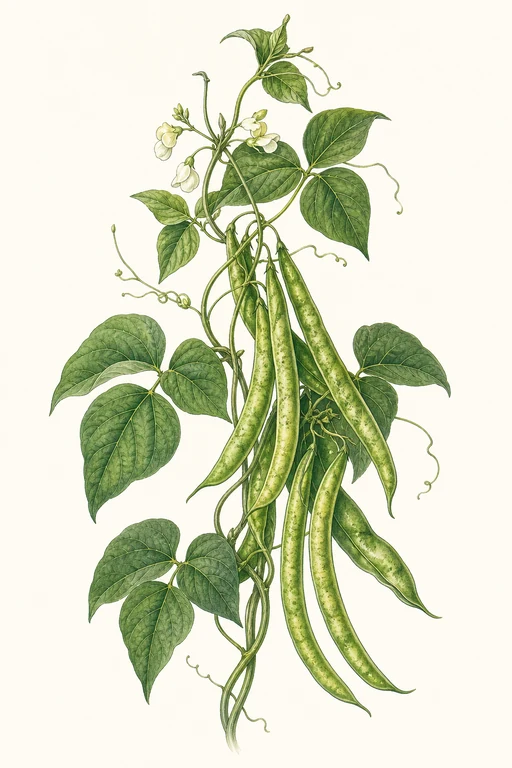
Sweetly fragrant and richly colored, Lady Di pole beans arrive with slender, elegant pods that hold a tender snap and a smooth, glossy skin.
Flavor is delicately sweet with a green-bean freshness that shines whether you enjoy them straight from the garden or turn them into vibrant sautés, quick pickles, and silky sauces. A favorite for home growers who want long, steady harvests on a vigorous climbing trellis—pods stay attractive and flavorful as they come in.
Light: Full SunMaturity: 75 DaysHabit: Vine
Crop Dates : 13b
| Milestone | Date |
|---|---|
| Climate | Frost-Free Climate |
| Growing Approach | Continuous Production |
Crop Details
| Trait | Value |
|---|---|
| Days to Maturity | 75 |
| Sun Requirements | Full Sun |
| Growth Habit | Vine |
| Support Needed | Trellis |
| Planting Depth | Normal |
| Germination Temp (°F) | 70 |
| Min Soil Temp (°F) | 60 |
| Min Night Temp (°F) | 55 |
| Harden Off (days) | Not Required |
Culinary Notes

Chef's Note
Lady Di pole beans cook up with a clean, sweet snap and keep their glossy, tender skin—exactly what you want for fast, high-heat treatment where they don’t turn starchy. Use them to carry lemony brightness, buttery richness, or a quick pickle tang without losing their garden-fresh edge.

Best Uses
- flash sautéed in hot olive oil with garlic until just tender-crisp
- quick pickles for a bright, candy-snap bite
- silky pan sauce (reduce with stock, a knob of butter, and bean liquid) to coat pasta

Flavor Profile

Frequently Asked Questions
What pests or diseases commonly affect Phaseolus coccineus (scarlet runner bean), and how do I treat them?
How often should I water Phaseolus coccineus during peak growth to keep pod production steady?
How can I tell when Phaseolus coccineus ‘Lady Di’ is ready to harvest?
Sowing Tips

Transplant Conditions
Wait until soil reaches 60°F and nights stay above 55°F before moving outdoors.
Expert Note

Plant pole beans when soil is consistently warm and give them a sturdy trellis immediately—this keeps pods straight and helps maximize harvests for freezing.