
Lebanese Oregano
Sun-warmed and intensely aromatic, Lebanese Oregano unfurls a bold, Mediterranean fragrance with a peppery, resinous lift and a clean, herbal finish.
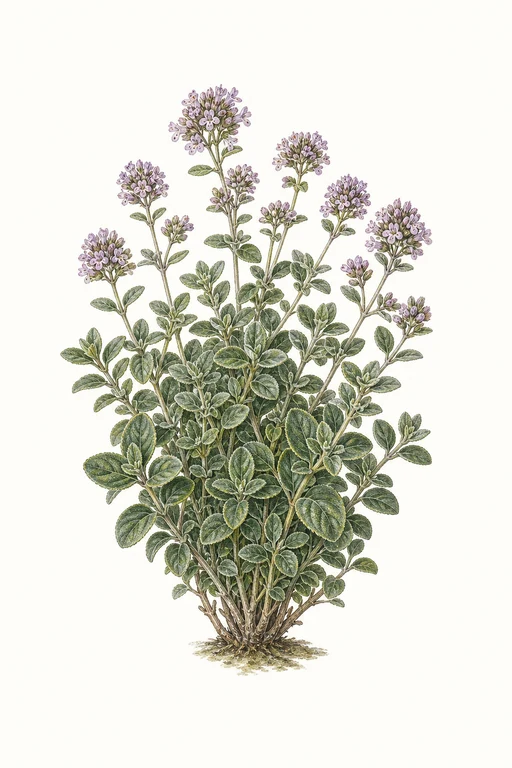
The foliage forms dense, upright clumps with small, velvety leaves that hold their character through harvest, delivering a concentrated flavor that shines in everyday herb blends. Grow it for fresh use and for drying—its leaves keep their fragrance beautifully for sauces, roasted vegetable seasonings, and pickling brines.
Light: Full SunMaturity: 70 DaysHabit: Upright
Crop Dates : 12b
| Milestone | Date |
|---|---|
| Start Indoors | — |
| Climate | Frost-Free Climate |
| Transplant / Sow Outdoors | Oct 1st |
| Harvest Begins | Dec 10th |
| Harvest Ends | Feb 28th |
Crop Details
| Trait | Value |
|---|---|
| Days to Maturity | 70 |
| Sun Requirements | Full Sun |
| Growth Habit | Upright |
| Support Needed | None |
| Planting Depth | Normal |
| Germination Temp (°F) | 70 |
| Min Soil Temp (°F) | 60 |
| Min Night Temp (°F) | 35 |
| Harden Off (days) | 7 |
Culinary Notes

Chef's Note
Lebanese oregano is built for boldness: its peppery, resinous aroma doesn’t fade in heat the way gentler herbs can. Use it early to perfume a simmer or bruise it right before serving so those small, velvety leaves deliver a bright herbal snap.

Best Uses
- bruise-and-sprinkle finishing on hot roasted potatoes and chickpeas
- slow-reduced tomato sauces and ragù where it can perfume the simmer
- dry it for long-cooking seasoning mixes and pizza-style blends
- stir into yogurt or tahini dips and dressings for a punchy herb lift

Flavor Profile

Frequently Asked Questions
What pests or diseases commonly affect Origanum syriacum (Lebanese oregano), and how do I control them?
How often should I water Lebanese oregano during its main growing phase?
How can I tell when Origanum syriacum is ready to harvest (and how much can I take)?
Sowing Tips

Transplant Conditions
Wait until soil reaches 60°F and nights stay above 35°F before moving outdoors. Harden off for 7 days first.
Expert Note

Start seeds indoors for uniform stands, but harden off well and plant in fast-draining soil to prevent stem rot.