
Lebanese
Tender, glossy fruit arrives with a silky bite and a fresh, green sweetness that feels almost luminous in the garden.
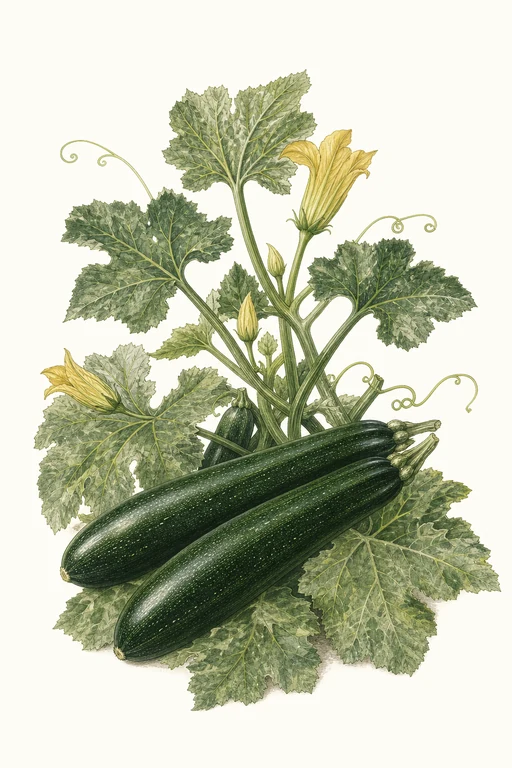
“Lebanese” zucchini forms slender, dark green cylinders with a refined, even texture—ideal for quick roasting, sautéing, and grilling, as well as for crisp fresh slices and bright summer sauces. At about 50 days, plants reward steady picking with a steady flow of market-ready zucchini that stays pleasantly tender rather than turning tough.
Light: Full SunMaturity: 50 DaysHabit: Vine
Planting schedules and alerts are optimized for Columbus (Zone 6b).
Crop Dates
| Milestone | Date |
|---|---|
| Start Indoors | Apr 11th |
| Last Frost | Apr 25th |
| Transplant / Sow Outdoors | Apr 25th |
| Harvest Begins | Jun 14th |
| Harvest Ends | Oct 16th |
Crop Details
| Trait | Value |
|---|---|
| Days to Maturity | 50 |
| Sun Requirements | Full Sun |
| Growth Habit | Vine |
| Support Needed | Trellis |
| Planting Depth | Normal |
| Germination Temp (°F) | 70 |
| Min Soil Temp (°F) | 65 |
| Min Night Temp (°F) | 55 |
| Harden Off (days) | 10 |
Culinary Notes

Chef's Note
“Lebanese” zucchini is built for speed: its slender form cooks quickly, stays tender, and browns at the edges without turning rubbery. Slice it thin for brightness, or hit it hot for grill char—either way, you get a clean green sweetness that loves citrus and sharp cheese.

Best Uses
- hot-fast sauté with garlic and a glossy olive-oil finish
- grill or roast on high heat for charred edges and creamy interiors
- thin raw slices in lemony, herby salads (stay crisp, not watery)
- quick summer sauces—blend briefly for a smooth, light green swirl

Flavor Profile

Frequently Asked Questions
What pests or diseases commonly affect Cucurbita pepo (Lebanese/Soleil squash) and what’s the best home treatment?
How often should I water Cucurbita pepo during the main growing phase?
How can I tell when Cucurbita pepo is ready to harvest?
Sowing Tips

Transplant Conditions
Wait until soil reaches 65°F and nights stay above 55°F before moving outdoors. Harden off for 10 days first.

Direct Sow Preferred
Sensitive roots — does not transplant well. If starting indoors, use biodegradable pots and disturb roots as little as possible when moving outdoors.
Expert Note

For best early harvests with this round, stuffing-friendly zucchini, wait for consistently warm soil (not just past frost) and keep fruits off damp soil with a light mulch or board.