
Lincoln (Homesteader)
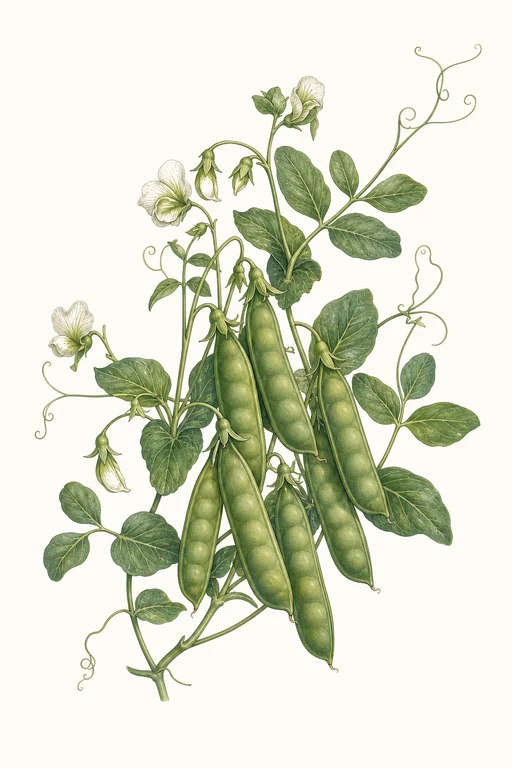
Sweet, garden-fresh peas with a bright, sugar-snap appeal that turns tender and succulent the moment they’re shelled—Lincoln (Homesteader) delivers a steady harvest of plump, well-filled pods.
The peas are prized for their smooth, evenly textured interiors and their rich, classic pea flavor, making them especially satisfying for home shelling and preserving. Grow them for reliable, cool-season performance and a generous yield that feels truly homestead-worthy at 60 days.
Light: Full SunMaturity: 60 DaysHabit: Climbing
Crop Dates : 4a
| Milestone | Date |
|---|---|
| Start Indoors | Direct Sow |
| Last Frost | May 15th |
| Transplant / Sow Outdoors | May 15th |
| Harvest Begins | Jul 14th |
| Harvest Ends | Sep 24th |
Crop Details
| Trait | Value |
|---|---|
| Days to Maturity | 60 |
| Sun Requirements | Full Sun |
| Growth Habit | Climbing |
| Support Needed | Trellis |
| Planting Depth | Normal |
| Germination Temp (°F) | 45 |
| Min Soil Temp (°F) | 40 |
| Min Night Temp (°F) | 30 |
| Harden Off (days) | Not Required |
Culinary Notes

Chef's Note
Lincoln (Homesteader) shelling peas are built for “the minute they hit the pot” cooking—sweet, evenly filled interiors stay tender instead of turning starchy. They love butter and lemon’s lift, and they’ll hold their shape long enough to taste unmistakably green.

Best Uses
- quick-simmer side: steam or boil 1–3 minutes and finish with butter for a glossy coat
- shuck-then-purée: blend into a silky pea soup or sauce that clings to pasta
- fresh-and-brief: fold into warm rice or grain bowls at the last second so they stay bright
- freezer-friendly preserving: blanch and pack for later use without mush

Flavor Profile

Frequently Asked Questions
What pest or disease most commonly affects Pisum sativum (peas) and what should I do if I see it?
How often should I water Pisum sativum during its main growing phase?
How can I tell when Pisum sativum is ready to harvest?
Sowing Tips

Transplant Conditions
Wait until soil reaches 40°F and nights stay above 30°F before moving outdoors.
Expert Note

For best flavor and yields, keep soil evenly moist during flowering and harvest shelling peas often for tender pods.