
Lincoln
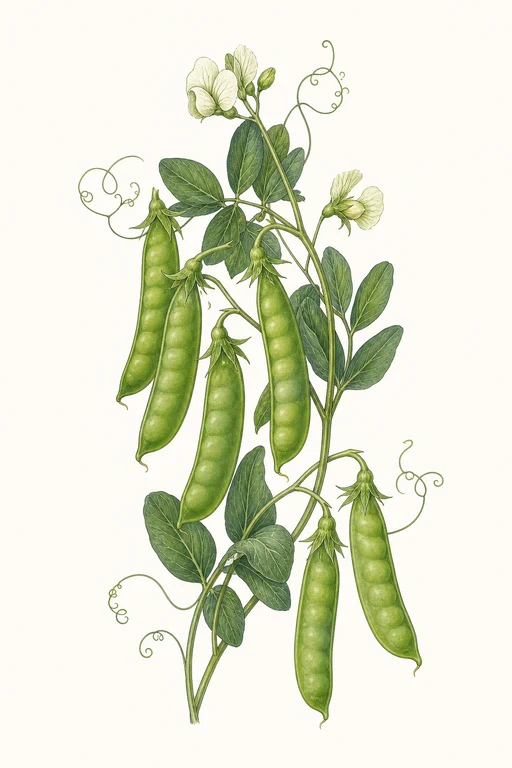
Sweetly perfumed and richly green, Lincoln shelling peas fill out with a satisfying, snap-tender bite when the pods are at their peak.
Expect plump, well-filled peas with a smooth, succulent texture that turns especially rewarding in classic shelling preparations—ideal for spooning into hearty seasonal favorites and for brightening sauces with their fresh, garden-sweet flavor.
Light: Full SunMaturity: 65 DaysHabit: Upright
Location not set yet
Location not set yet
Enter your ZIP for local crop dates
Lincoln Planting Dates by USDA Zone
Estimated US hardiness-zone windows for sow, transplant, and harvest. Enter a US ZIP above for exact local dates, or open a zone below.
| Zone | Start Indoors | Sow / Transplant | Harvest |
|---|---|---|---|
| Zone 1a | Protected Environment Only | ||
| Zone 1b | Protected Environment Only | ||
| Zone 2a | Direct Sow | May 25th | Jul 29th – Aug 29th |
| Zone 2b | Direct Sow | May 15th | Jul 19th – Aug 25th |
| Zone 3a | Direct Sow | May 15th | Jul 19th – Sep 1st |
| Zone 3b | Direct Sow | May 19th | Jul 23rd – Sep 21st |
| Zone 4a | Direct Sow | May 15th | Jul 19th – Sep 24th |
| Zone 4b | Direct Sow | May 13th | Jul 17th – Sep 27th |
| Zone 5a | Direct Sow | May 8th | Jul 12th – Sep 30th |
| Zone 5b | Direct Sow | May 4th | Jul 8th – Oct 5th |
| Zone 6a | Direct Sow | May 1st | Jul 5th – Oct 10th |
| Zone 6b | Direct Sow | Apr 25th | Jun 29th – Oct 16th |
| Zone 7a | Direct Sow | Apr 20th | Jun 24th – Oct 20th |
| Zone 7b | Direct Sow | Apr 10th | Jun 14th – Oct 28th |
| Zone 8a | Direct Sow | Apr 1st | Jun 5th – Nov 5th |
| Zone 8b | Direct Sow | Mar 23rd | May 27th – Nov 12th |
| Zone 9a | Direct Sow | Mar 6th | May 10th – Nov 26th |
| Zone 9b | Direct Sow | Feb 9th | Apr 15th – Dec 9th |
| Zone 10a | Continuous Production | ||
| Zone 10b | Continuous Production | ||
| Zone 11a | Continuous Production | ||
| Zone 11b | Continuous Production | ||
| Zone 12a | Continuous Production | ||
| Zone 12b | Continuous Production | ||
| Zone 13a | Continuous Production | ||
| Zone 13b | Continuous Production | ||
Crop Details
| Trait | Value |
|---|---|
| Days to Maturity | 65 |
| Sun Requirements | Full Sun |
| Growth Habit | Upright |
| Support Needed | Trellis |
| Planting Depth | Normal |
| Germination Temp (°F) | 55 |
| Min Soil Temp (°F) | 45 |
| Min Night Temp (°F) | 35 |
| Harden Off (days) | Not Required |
Culinary Notes

Chef's Note
Lincoln shelling peas are built for speed: cook them just until they go from crisp-snap to tender, keeping that smooth, succulent mouthfeel. Their fresh green sweetness plays best with butter, lemon, and herbs, and you’ll notice it most when they’re finished at the last moment so they don’t turn starchy.

Best Uses
- fresh shelling and quick sauté just to take off the raw edge
- buttery pea and herb sauce for pasta (peas lightly simmered, not overcooked)
- tossed warm into risotto or creamy grits for pop-and-cream contrast
- spooned into soups at the last minute to keep a firm bite

Flavor Profile

Frequently Asked Questions
What’s a common disease problem for Pisum sativum (peas like Lincoln), and how can I prevent it?
How often should I water Pisum sativum during its main growing phase (once it’s actively growing)?
How do I tell when Lincoln peas are ready to harvest?
Sowing Tips

Transplant Conditions
Wait until soil reaches 45°F and nights stay above 35°F before moving outdoors.
Expert Note

Start Lincoln indoors in a warm, bright spot and transplant only once soil is reliably 60°F+ to maximize heat-set and high yields.