
Lisa
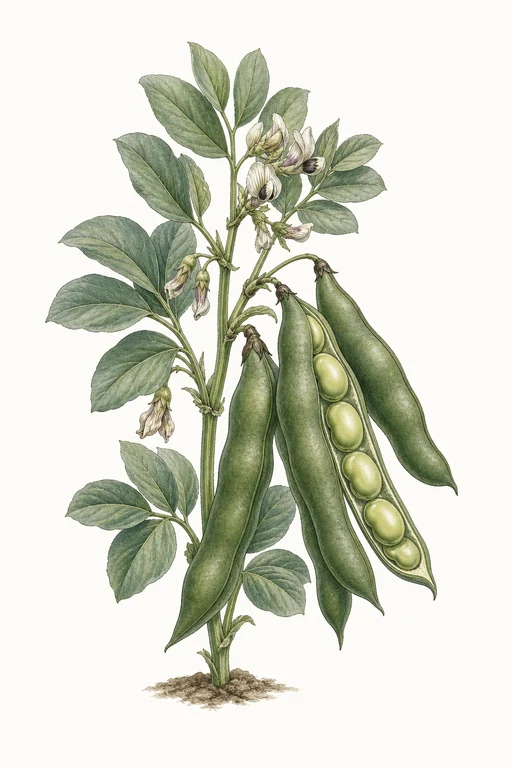
Velvety pods open to reveal Lisa’s richly colored, substantial fava beans—sweet, green, and deeply satisfying in their tender, creamy bite.
Expect a smooth, buttery texture that shines when showcased as fresh garden favorites, and also performs beautifully for hearty purées and savory spreads. Lisa’s dependable 75-day rhythm makes it an ideal choice for gardeners who want bold flavor and generous yields from a single, elegant sowing.
Light: Full SunMaturity: 75 DaysHabit: Bush
Planting schedules and alerts are optimized for Columbus (Zone 6b).
Crop Dates
| Milestone | Date |
|---|---|
| Start Indoors | Direct Sow |
| Last Frost | Apr 25th |
| Transplant / Sow Outdoors | Apr 25th |
| Harvest Begins | Jul 9th |
| Harvest Ends | Oct 16th |
Crop Details
| Trait | Value |
|---|---|
| Days to Maturity | 75 |
| Sun Requirements | Full Sun |
| Growth Habit | Bush |
| Support Needed | None |
| Planting Depth | Normal |
| Germination Temp (°F) | 55 |
| Min Soil Temp (°F) | 45 |
| Min Night Temp (°F) | 28 |
| Harden Off (days) | Not Required |
Culinary Notes

Chef's Note
Lisa favas lean sweet and custardy—once blanched and peeled, they eat like a soft green puree with structure. Keep the heat quick and the seasoning bright (lemon/olive oil, maybe butter and mint) so you get that creamy bite without turning chalky.

Best Uses
- sautéed and served warm with a squeeze of lemon and olive oil
- blanched, peeled, and folded into a silky purée or hummus-style spread
- quick-cook with butter and herbs so the beans stay custardy, not starchy
- tossed into grain salads where they hold their shape while staying soft

Flavor Profile

Frequently Asked Questions
What’s the most common disease problem for Vicia faba (fava beans), and how do I treat it?
How often should I water Vicia faba during the main growing phase?
How can I tell when Vicia faba (fava beans) is ready to harvest?
Sowing Tips

Transplant Conditions
Wait until soil reaches 45°F and nights stay above 28°F before moving outdoors.
Expert Note

Sow fava beans in cool weather as soon as the soil can be worked, and keep them evenly moist while they establish for the best pod set.