
SproutSmart
SproutSmart™ Intelligent Garden Sowing

Madeline Hill

Family: Lamiaceae Herb

Planting Schedule

Provide your location or planting zone to unlock dates and add Madeline Hill to a garden.

Madeline Hill Rosemary is a fragrant evergreen shrub that releases a bright, piney-citrus perfume the moment the foliage is brushed.

Its narrow, deep green needles hold an upright, tidy form and carry a resinous, aromatic intensity that shines in dried bouquets and fresh sprigs alike. Grow it for steady, year-round presence in the garden—then enjoy its bold character in herb blends, infusions, and savory seasoning.

Light: Full SunMaturity: 70 DaysHabit: Shrub
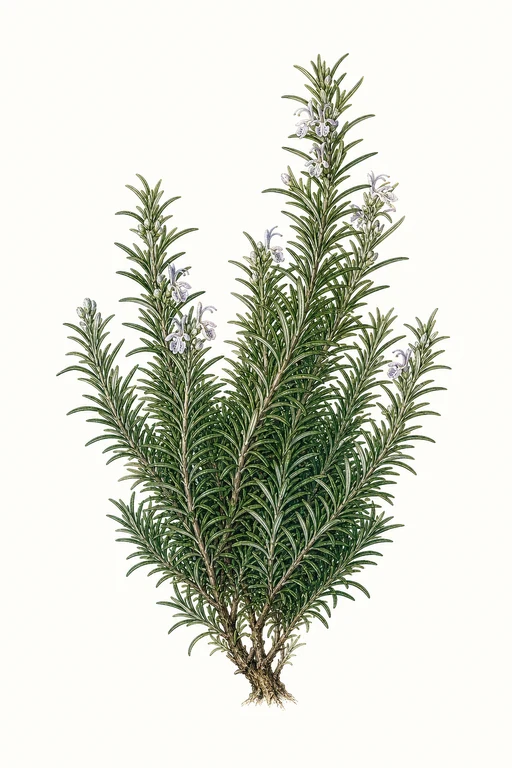
Botanical illustration of Madeline Hill

Location not set yet

Location not set yet

Enter your ZIP for local crop dates

Madeline Hill Planting Dates by USDA Zone

Estimated US hardiness-zone windows for sow, transplant, and harvest. Enter a US ZIP above for exact local dates, or open a zone below.

Zone Start Indoors Sow / Transplant Harvest
Zone 1a Apr 20th Jul 27th Oct 5th – Jul 15th
Zone 1b Apr 6th Jul 13th Sep 21st – Aug 1st
Zone 2a Mar 30th Jul 6th Sep 14th – Aug 29th
Zone 2b Mar 20th Jun 26th Sep 4th – Aug 25th
Zone 3a Mar 20th Jun 26th Sep 4th – Sep 1st
Zone 3b Mar 24th Jun 30th Sep 8th – Sep 21st
Zone 4a Mar 20th Jun 26th Sep 4th – Sep 24th
Zone 4b Mar 18th Jun 24th Sep 2nd – Sep 27th
Zone 5a Mar 13th Jun 19th Aug 28th – Sep 30th
Zone 5b Mar 9th Jun 15th Aug 24th – Oct 5th
Zone 6a Mar 6th Jun 12th Aug 21st – Oct 10th
Zone 6b Feb 28th Jun 6th Aug 15th – Oct 16th
Zone 7a Feb 23rd Jun 1st Aug 10th – Oct 20th
Zone 7b Feb 13th May 22nd Jul 31st – Oct 28th
Zone 8a Feb 4th May 13th Jul 22nd – Nov 5th
Zone 8b Jan 26th May 4th Jul 13th – Nov 12th
Zone 9a Jan 9th Apr 17th Jun 26th – Nov 26th
Zone 9b Dec 15th Mar 23rd Jun 1st – Dec 9th
Zone 10a — Oct 1st Dec 10th – Feb 28th
Zone 10b — Oct 1st Dec 10th – Feb 28th
Zone 11a — Oct 1st Dec 10th – Feb 28th
Zone 11b — Oct 1st Dec 10th – Feb 28th
Zone 12a — Oct 1st Dec 10th – Feb 28th
Zone 12b — Oct 1st Dec 10th – Feb 28th
Zone 13a — Oct 1st Dec 10th – Feb 28th
Zone 13b — Oct 1st Dec 10th – Feb 28th

Crop Details

TraitValue
Days to Maturity70
Sun RequirementsFull SunFull sun
Growth HabitShrub
Support NeededNone
Planting DepthNormal
Germination Temp (°F)70
Min Soil Temp (°F)60
Min Night Temp (°F)35
Harden Off (days)7

Culinary Notes


Chef's Note

Madeline Hill rosemary hits with an aromatic punch—pine-resin on the nose, then a citrusy snap and a dry, woody grip on the finish. Use it early in cooking for roundness, or fresh as a last-minute shower if you want the perfume to stay sharp and upright.

Best Uses

  • chopping fresh sprigs into pan sauces and pan-roasted vegetables
  • drying and using in herb rubs for lamb and poultry
  • steeping for rosemary-infused oil or brine
  • sprinkling into focaccia/ciabatta dough for a crisp, aromatic crust

Flavor Profile

resinous piney aroma bright citrusy lift intensely savory, needle-flecked bitterness dry, woody finish

Kitchen Pairings

garlic lemon olive oil lamb chicken parmesan

Frequently Asked Questions


What pest or disease commonly affects Salvia rosmarinus (Tuscan-style rosemary) and how do I control it?
Watch for powdery mildew and root/crown rot, especially when plants are crowded or the soil stays wet. Improve airflow, water at the base, and remove any affected leaves early; if mildew persists, spray with a labeled fungicide appropriate for edible herbs. If you suspect rot (wilting despite damp soil), cut back watering and ensure the bed or pot drains fast—rosemary must never sit in standing water.
How often should I water Salvia rosmarinus during the main growing phase?
During active growth, water deeply only when the top 1–2 inches of soil are dry. In full sun, this often means about once every 7–14 days depending on heat and container size, but always adjust to the soil dryness rather than the calendar. Use well-draining soil and avoid frequent light watering, which encourages shallow roots and increases rot risk.
How can I tell when Salvia rosmarinus is ready to harvest (70 days to maturity)?
Start harvesting once plants are well-established and you can pinch or cut healthy, firm stems with abundant needle-like leaves—typically around the 70-day mark from germination. Harvest in the morning and take sprigs from the outer growth; don’t remove more than about one-third of the plant at a time to keep regrowth strong. A good cue is when the leaves are strongly aromatic when rubbed and the stems have grown to a usable size for kitchen use.