
Magic Carpet
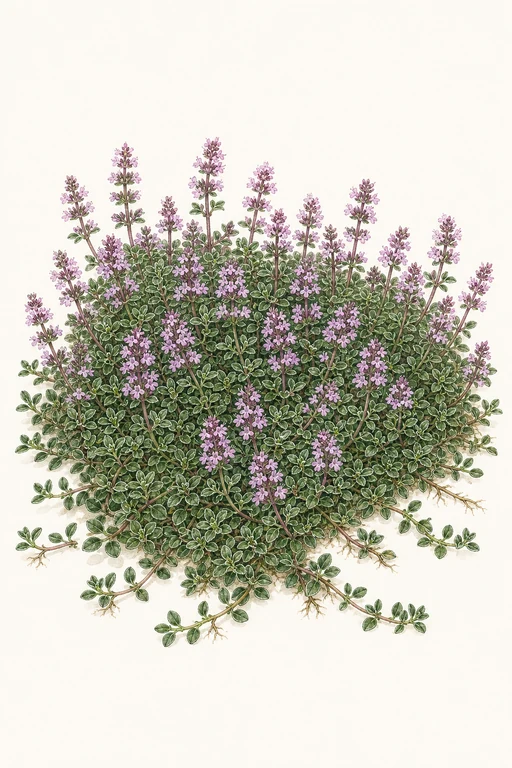
Fragrant, low-growing “Magic Carpet” creeps into view with a soft, mossy mat of tiny leaves and a lively perfume that blooms as you move past it.
At maturity, it forms a dense, cushiony groundcover with delicate, rosy-lavender flower spikes that add a gentle, floral lift to every planting. Ideal for edging and filling sunny spaces, it’s a quick, satisfying annual that rewards with lasting color and aromatic presence throughout the season.
Light: Full SunMaturity: 60 DaysHabit: Spreading
Planting schedules and alerts are optimized for Columbus (Zone 6b).
Crop Dates
| Milestone | Date |
|---|---|
| Start Indoors | Apr 4th |
| Last Frost | Apr 25th |
| Transplant / Sow Outdoors | Apr 25th |
| Harvest Begins | Jun 24th |
| Harvest Ends | Oct 16th |
Crop Details
| Trait | Value |
|---|---|
| Days to Maturity | 60 |
| Sun Requirements | Full Sun |
| Growth Habit | Spreading |
| Support Needed | None |
| Planting Depth | Surface |
| Germination Temp (°F) | 70 |
| Min Soil Temp (°F) | 40 |
| Min Night Temp (°F) | 35 |
| Harden Off (days) | 7 |
Culinary Notes

Chef's Note
Magic Carpet creeping thyme is built for finishing: its tiny leaves pack a big, clean thyme perfume without getting muddy, so it stays lively even when warmed. Use it like a fast, aromatic top-dress—chopped fine and added late—so the peppery-herbal bite and the faint floral lift come through.

Best Uses
- chopping into finishing herb for potatoes, beans, and roasted roots
- stirring into compound butter for searing and toast-ready richness
- drying or quick-frying in olive oil for a fragrant drizzle
- tossing into salads right at the last moment for snap and perfume

Flavor Profile

Frequently Asked Questions
What’s a common problem on Thymus serpyllum (creeping thyme) and how do I treat it?
How often should I water creeping thyme (Thymus serpyllum) during its main growing phase?
How can I tell when Thymus serpyllum is ready to harvest?
Sowing Tips

Transplant Conditions
Wait until soil reaches 40°F and nights stay above 35°F before moving outdoors. Harden off for 7 days first.
Expert Note

Plant creeping thyme in lean, fast-draining soil and avoid overwatering—dry conditions and full sun keep the mat tight and flowering well.