
Mayo Indian
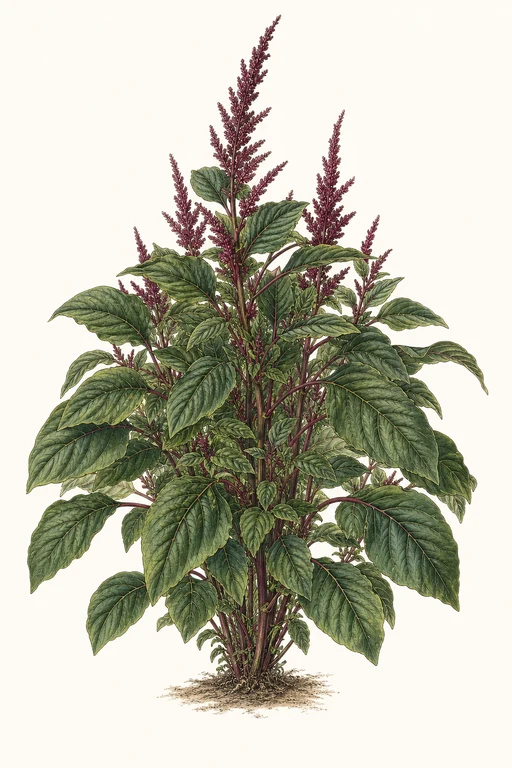
Tender, velvety leaves arrive in a lush cascade—deep green with a faint, velour-like sheen that feels almost luminous in the garden.
Mayo Indian delivers a pleasantly mild, earthy flavor and a crisp-tender texture that holds its character beautifully for fresh use and quick sautéing, as well as for vibrant sauces and soups. At about 50 days, you’ll be harvesting with confidence from vigorous plants that keep producing new growth for a steady supply of greens.
Light: Full SunMaturity: 50 DaysHabit: Upright
Planting schedules and alerts are optimized for Columbus (Zone 6b).
Crop Dates
| Milestone | Date |
|---|---|
| Start Indoors | Direct Sow |
| Last Frost | Apr 25th |
| Transplant / Sow Outdoors | Apr 25th |
| Harvest Begins | Jun 14th |
| Harvest Ends | Oct 16th |
Crop Details
| Trait | Value |
|---|---|
| Days to Maturity | 50 |
| Sun Requirements | Full Sun |
| Growth Habit | Upright |
| Support Needed | None |
| Planting Depth | Normal |
| Germination Temp (°F) | 75 |
| Min Soil Temp (°F) | 60 |
| Min Night Temp (°F) | 50 |
| Harden Off (days) | Not Required |
Culinary Notes

Chef's Note
Mayo Indian’s mild earthiness and crisp-tender, velvety leaf makes it a green you can actually taste, not just cook away. Because it wilts quickly, hit it with heat for just minutes or keep it raw—then finish with lemon and pepper to sharpen the flavor.

Best Uses
- quick sautéing in a hot pan—so the leaves stay green and snappy
- stir into soups at the end for a fresh, velour-like mouthfeel
- blend into vibrant sauces for color and body—finished off with acid
- use as a tender raw green in salads where it won’t overpower

Flavor Profile

Frequently Asked Questions
What pests or diseases commonly affect Amaranthus cruentus (mayo indian), and what should I do?
How often should I water Amaranthus cruentus during its main growing phase?
How can I tell when Amaranthus cruentus (mayo indian) is ready to harvest?
Sowing Tips

Transplant Conditions
Wait until soil reaches 60°F and nights stay above 50°F before moving outdoors.
Expert Note

For best tender greens, keep seedlings evenly watered and harvest early before plants bolt and seed heads fully harden.