
Midnight Model
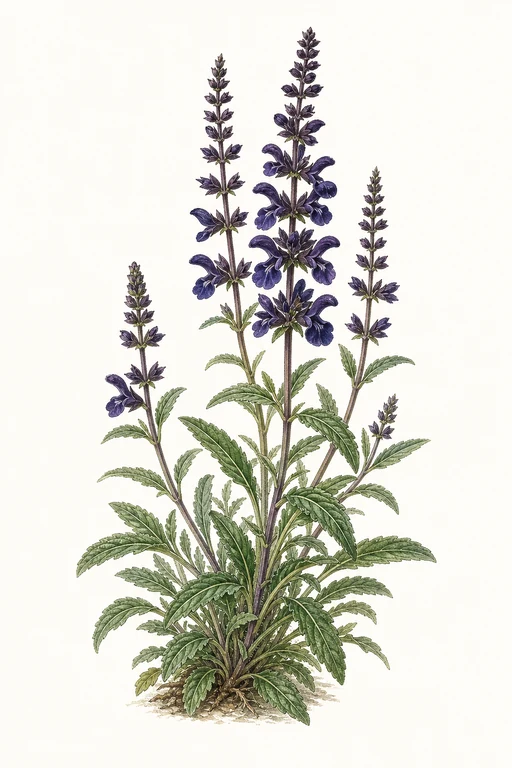
Velvety spikes of Midnight Model rise with a near-ink allure—deep violet-blue blooms that glow softly in evening light and draw steady pollinator traffic.
The foliage forms a tidy, meadow-sage mound of aromatic, medium-green leaves with a lightly fuzzy texture, giving the plant a refined, lived-in look all season long. Grow Midnight Model for long-lasting color in the border, where its upright flower wands shine in mass plantings and make a graceful, pollinator-friendly focal point.
Light: Full SunMaturity: 90 DaysHabit: Upright
Planting schedules and alerts are optimized for Columbus (Zone 6b).
Crop Dates
| Milestone | Date |
|---|---|
| Start Indoors | Direct Sow |
| Last Frost | Apr 25th |
| Transplant / Sow Outdoors | Apr 25th |
| Harvest Begins | Jul 24th |
| Harvest Ends | Oct 16th |
Crop Details
| Trait | Value |
|---|---|
| Days to Maturity | 90 |
| Sun Requirements | Full Sun |
| Growth Habit | Upright |
| Support Needed | None |
| Planting Depth | Normal |
| Germination Temp (°F) | 70 |
| Min Soil Temp (°F) | 55 |
| Min Night Temp (°F) | 40 |
| Harden Off (days) | Not Required |
Culinary Notes

Chef's Note
Even though it looks like a midnight ornamental, this Salvia’s leaf and blooms carry a distinctly sagey, cool herbal bite that plays best when treated like an aromatic herb rather than a sweet flower. Use it in short infusions or as a chopped finish so the fuzz and bitterness stay bright instead of turning chalky.

Best Uses
- stir-finished syrups or quick infusions for cocktails and lemonades
- finely chopped leaves in compound butters and yogurt sauces
- edible-flower garnish for salads and roast-chicken platters
- infused vinegar for vinaigrettes and pan sauces

Flavor Profile

Frequently Asked Questions
What pests or diseases commonly affect Salvia pratensis (meadow sage), and how do I control them?
How often should I water Salvia pratensis during the main growing phase?
How can I tell when Salvia pratensis is ready to harvest (and what should I harvest)?
Sowing Tips

Transplant Conditions
Wait until soil reaches 55°F and nights stay above 40°F before moving outdoors.
Expert Note

For best establishment, start in cool conditions or sow directly after frost, then avoid overwatering until roots are well established.