
Millennium
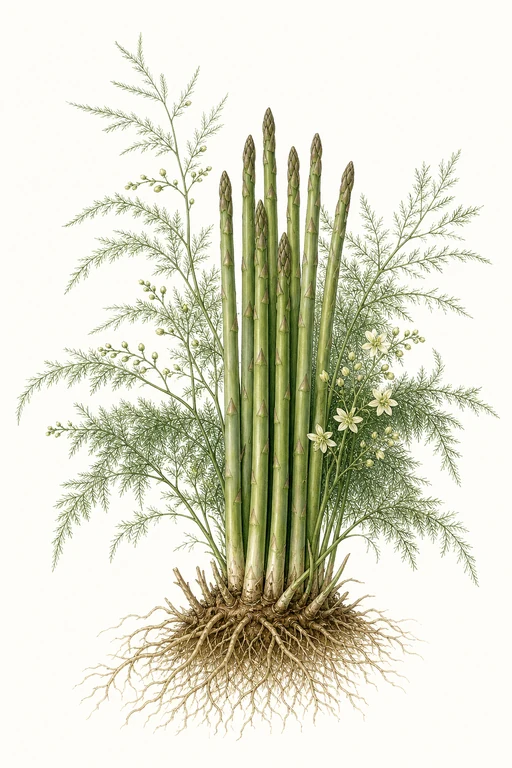
Millennium asparagus arrives like a promise of spring—tender spears with a clean, sweet snap and a refined, lightly grassy fragrance that turns every harvest into a small celebration.
Expect a smooth, uniform texture and a consistently straight, well-balanced spear that roasts up beautifully, shines fresh in salads, and lends itself to silky sauces and quick pickling for lasting flavor.
Light: Full SunMaturity: 730 DaysHabit: Perennial_Crown
Planting schedules and alerts are optimized for Columbus (Zone 6b).
Crop Dates
| Milestone | Date |
|---|---|
| Last Frost | Apr 25th |
| Growing Approach | Protected Environment Only |
Crop Details
| Trait | Value |
|---|---|
| Days to Maturity | 730 |
| Sun Requirements | Full Sun |
| Growth Habit | Perennial_Crown |
| Support Needed | None |
| Planting Depth | Normal |
| Germination Temp (°F) | 70 |
| Min Soil Temp (°F) | 50 |
| Min Night Temp (°F) | 40 |
| Harden Off (days) | Not Required |
Culinary Notes

Chef's Note
Millennium’s uniform spears and refined grassiness are built for fast heat—roast hot, short, and don’t overcook, so you keep that sweet snap instead of turning fibrous. When you want luxury with minimal fuss, it blends into a silky puree that’s money finished with butter and a tight hit of lemon.

Best Uses
- quick roast or broil to keep the spear’s snap while browning the tips
- shaved spears tossed raw in lemony vinaigrette for a crisp, springy bite
- silky asparagus soup or blended puree finished with butter/cream
- quick pickle spears for sharp crunch and fast turnaround

Flavor Profile

Frequently Asked Questions
What pest or disease commonly affects Asparagus officinalis, and how do I manage it at home?
How often should I water Asparagus officinalis during the main growing phase?
How can I tell when asparagus spears are ready to harvest for Asparagus officinalis?
Sowing Tips

Transplant Conditions
Wait until soil reaches 50°F and nights stay above 40°F before moving outdoors.
Expert Note

For asparagus crowns, prioritize weed-free preparation and transplanting/crown setting promptly once soil warms—yields come after the first 2–3 years, not the first season.