
Mira
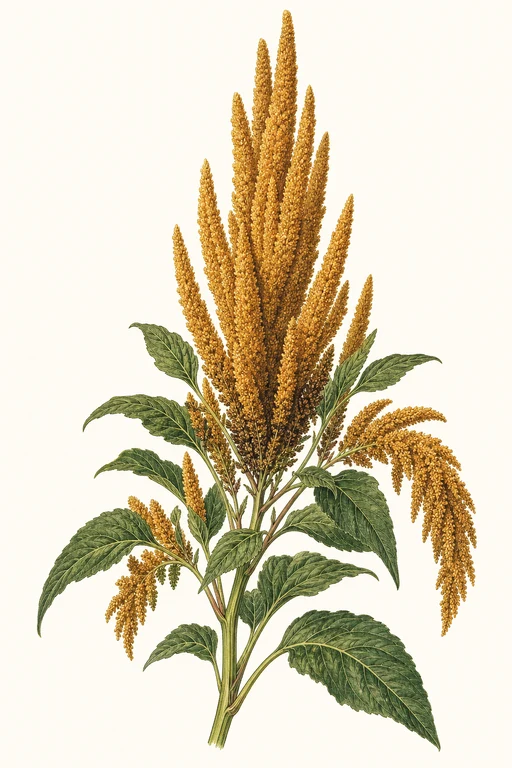
Silky, warm-gold plumes rise above the garden like living candles, and Mira’s grain develops with a rich, nutty depth that feels both hearty and refined.
The seeds form in tight, upright panicles, delivering a satisfying, fine-grained texture prized for grinding into flour and for spoonable grain bowls. A cool-season favorite with a steady, dependable rhythm to maturity, Mira rewards attentive growers with abundant harvest potential and a striking, ornamental presence.
Light: Full SunMaturity: 90 DaysHabit: Upright
Planting schedules and alerts are optimized for Columbus (Zone 6b).
Crop Dates
| Milestone | Date |
|---|---|
| Start Indoors | Direct Sow |
| Last Frost | Apr 25th |
| Transplant / Sow Outdoors | Apr 25th |
| Harvest Begins | Jul 24th |
| Harvest Ends | Oct 16th |
Crop Details
| Trait | Value |
|---|---|
| Days to Maturity | 90 |
| Sun Requirements | Full Sun |
| Growth Habit | Upright |
| Support Needed | None |
| Planting Depth | Surface |
| Germination Temp (°F) | 70 |
| Min Soil Temp (°F) | 60 |
| Min Night Temp (°F) | 50 |
| Harden Off (days) | Not Required |
Culinary Notes

Chef's Note
Mira grain cooks up with a restrained, nutty bite—sturdy enough to stand in a spoon bowl, but fine enough to grind into flour for tender, non-wheat bakes. Toast first, then treat it like a broth sponge: it thickens without turning starchy, making it ideal for clean, savory finishes.

Best Uses
- grind into flour for tender flatbreads and pancakes
- cook like risotto-grain in stock for spoonable bowls
- lightly toast seeds then simmer into breakfast porridge
- use as a thickener for soups or braises to add body

Flavor Profile

Frequently Asked Questions
What’s a common pest or disease for Amaranthus cruentus (mira), and how do I control it?
How often should I water Amaranthus cruentus during its main growing phase?
How can I tell when Amaranthus cruentus (mira) is ready to harvest?
Sowing Tips

Transplant Conditions
Wait until soil reaches 60°F and nights stay above 50°F before moving outdoors.
Expert Note

Direct sow grain amaranth after soil warms, then thin to the recommended spacing for strong seed heads.