
Moonlight
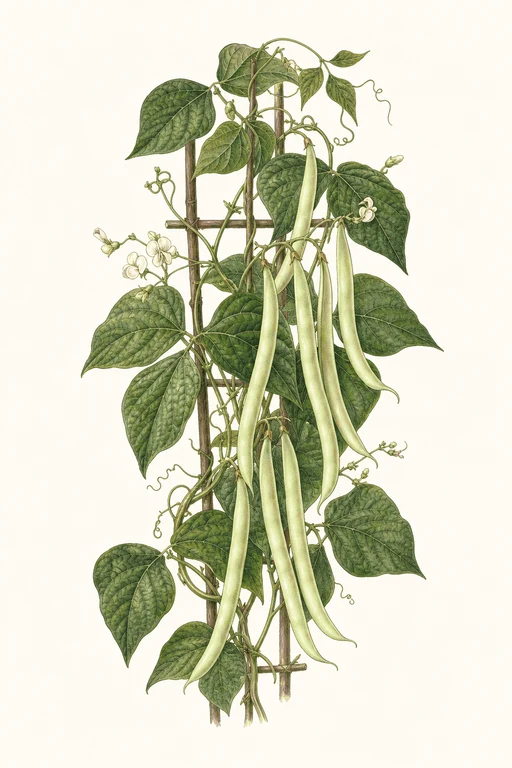
Moonlight pole bean brings a luminous harvest—long, slender pods that catch the light in a cool, pale green sheen and hold their crisp snap.
Their flavor is clean and sweet with a tender, meaty bite, ideal for roasting until caramel-kissed, tossing fresh for quick brightness, and simmering into silky sauces. Train the vigorous vines for steady, abundant picking through the season, and enjoy pods that stay pleasantly crisp rather than turning tough.
Light: Full SunMaturity: 75 DaysHabit: Climbing
Planting schedules and alerts are optimized for Columbus (Zone 6b).
Crop Dates
| Milestone | Date |
|---|---|
| Start Indoors | Direct Sow |
| Last Frost | Apr 25th |
| Transplant / Sow Outdoors | Apr 25th |
| Harvest Begins | Jul 9th |
| Harvest Ends | Oct 16th |
Crop Details
| Trait | Value |
|---|---|
| Days to Maturity | 75 |
| Sun Requirements | Full Sun |
| Growth Habit | Climbing |
| Support Needed | Trellis |
| Planting Depth | Normal |
| Germination Temp (°F) | 70 |
| Min Soil Temp (°F) | 55 |
| Min Night Temp (°F) | 45 |
| Harden Off (days) | Not Required |
Culinary Notes

Chef's Note
These pole beans stay pleasantly crisp for a long stretch, so they don’t collapse into mush—roast them hot to pull out a sweet, toasted edge while keeping that tender, meaty bite. Use lemon and garlic to sharpen the “green” notes, and finish with butter or parmesan so every pod tastes glossed, not flat.

Best Uses
- high-heat roasting until blistered and caramel-kissed
- quick toss with butter or olive oil for crisp-tender snacking sides
- short blanch-and-shock for cold salads with bright vinaigrette
- stovetop simmer to thicken a silky pan sauce or velouté-style puree

Flavor Profile

Frequently Asked Questions
What’s a common disease problem for runner bean (Phaseolus coccineus) and how do I control it?
How often should I water runner bean (Phaseolus coccineus) during peak growth, and what soil moisture level should I maintain?
How can I tell when Moonlight runner beans (Phaseolus coccineus) are ready to harvest?
Sowing Tips

Transplant Conditions
Wait until soil reaches 55°F and nights stay above 45°F before moving outdoors.
Expert Note

For best yields with pole beans, sow once soil is warm and keep the vine supported from day one for straight, smooth pods.