
Mosaic Yard Long Bean
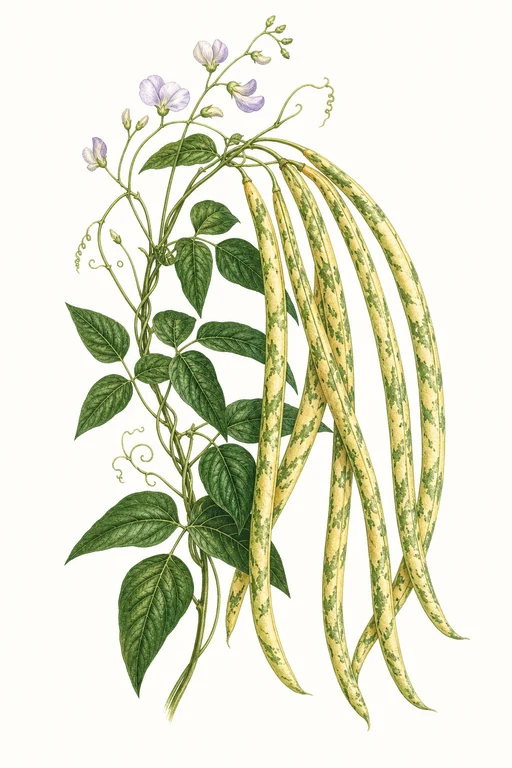
Sweetly fragrant pods unfurl in a striking mosaic of creamy gold and soft green, their long, graceful curves catching the light as they mature.
Mosaic Yard Long Bean delivers crisp, tender texture with a pleasantly mild, green-bean flavor—ideal for stir-fresh favorites, quick skillet-style meals, and vibrant pickling where its patterned pods stay delightfully snappy. Grow this warm-season standout for a steady harvest rhythm around 70 days, and enjoy the visual delight of each new pod as it appears along the vine.
Light: Full SunMaturity: 70 DaysHabit: Vine
Location not set yet
Location not set yet
Enter your ZIP for local crop dates
Mosaic Yard Long Bean Planting Dates by USDA Zone
Estimated US hardiness-zone windows for sow, transplant, and harvest. Enter a US ZIP above for exact local dates, or open a zone below.
| Zone | Start Indoors | Sow / Transplant | Harvest |
|---|---|---|---|
| Zone 1a | Protected Environment Only | ||
| Zone 1b | Protected Environment Only | ||
| Zone 2a | Direct Sow | May 25th | Aug 3rd – Aug 29th |
| Zone 2b | Direct Sow | May 15th | Jul 24th – Aug 25th |
| Zone 3a | Direct Sow | May 15th | Jul 24th – Sep 1st |
| Zone 3b | Direct Sow | May 19th | Jul 28th – Sep 21st |
| Zone 4a | Direct Sow | May 15th | Jul 24th – Sep 24th |
| Zone 4b | Direct Sow | May 13th | Jul 22nd – Sep 27th |
| Zone 5a | Direct Sow | May 8th | Jul 17th – Sep 30th |
| Zone 5b | Direct Sow | May 4th | Jul 13th – Oct 5th |
| Zone 6a | Direct Sow | May 1st | Jul 10th – Oct 10th |
| Zone 6b | Direct Sow | Apr 25th | Jul 4th – Oct 16th |
| Zone 7a | Direct Sow | Apr 20th | Jun 29th – Oct 20th |
| Zone 7b | Direct Sow | Apr 10th | Jun 19th – Oct 28th |
| Zone 8a | Direct Sow | Apr 1st | Jun 10th – Nov 5th |
| Zone 8b | Direct Sow | Mar 23rd | Jun 1st – Nov 12th |
| Zone 9a | Direct Sow | Mar 6th | May 15th – Nov 26th |
| Zone 9b | Direct Sow | Feb 9th | Apr 20th – Dec 9th |
| Zone 10a | Continuous Production | ||
| Zone 10b | Continuous Production | ||
| Zone 11a | Continuous Production | ||
| Zone 11b | Continuous Production | ||
| Zone 12a | Continuous Production | ||
| Zone 12b | Continuous Production | ||
| Zone 13a | Continuous Production | ||
| Zone 13b | Continuous Production | ||
Crop Details
| Trait | Value |
|---|---|
| Days to Maturity | 70 |
| Sun Requirements | Full Sun |
| Growth Habit | Vine |
| Support Needed | Trellis |
| Planting Depth | Normal |
| Germination Temp (°F) | 70 |
| Min Soil Temp (°F) | 60 |
| Min Night Temp (°F) | 55 |
| Harden Off (days) | Not Required |
Culinary Notes

Chef's Note
This yard-long type is a bean that eats like a crisp vegetable—mild flavor, strong aroma, and a snap that survives quick heat. It’s built for aggressive seasoning (soy/ginger/sesame or lemony butter) without turning mealy, and its pods stay satisfyingly crunchy when pickled.

Best Uses
- fast high-heat stir-fry—keep it bright and snappy
- quick skillet sauté with garlic and butter for glossy pods
- shallow pickling for snappy “crunch” rounds that hold their bite
- blanch-and-chill salad duty with a sharp vinaigrette

Flavor Profile

Frequently Asked Questions
What pest or disease commonly affects Vigna unguiculata subsp. sesquipedalis (yard long beans), and how can I manage it?
How often should I water yard long beans during peak production, and what soil moisture should I maintain?
How do I know when Mosaic yard long beans are ready to harvest?
Sowing Tips

Transplant Conditions
Wait until soil reaches 60°F and nights stay above 55°F before moving outdoors.
Expert Note

For the best long-pod set and minimal pest issues, keep soil evenly moist after sprouting and harvest pods young to encourage continuous flowering.