
New Zealand Spinach
Tender, succulent leaves emerge with a lush, spinach-like richness and a clean, gently sweet bite—ideal for warm-season gardens where leafy greens thrive.
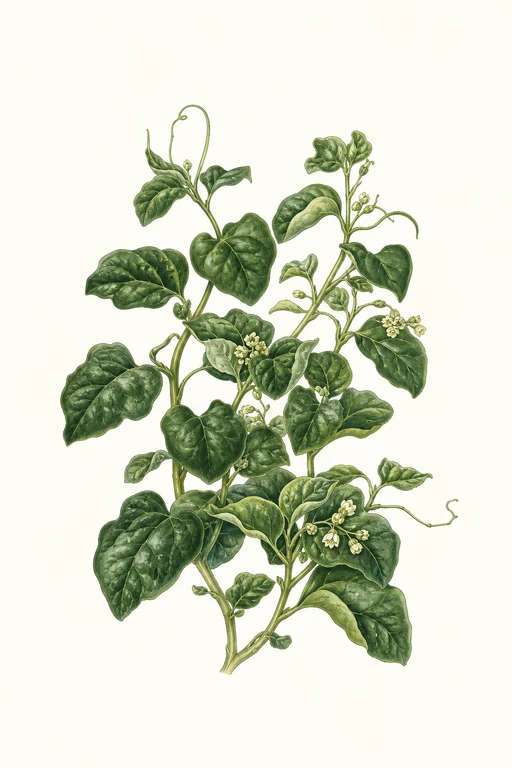
New Zealand Spinach forms vigorous, branching growth with fleshy, spoon-shaped foliage that stays pleasantly tender for repeated harvests, delivering a smooth texture that shines in quick skillet-style sautés, hearty soups, and vibrant sauces. Let it become your go-to green for fresh salads and lightly cooked dishes alike, bringing a steady supply of verdant flavor through the season.
Light: Full SunMaturity: 40 DaysHabit: Spreading
Planting schedules and alerts are optimized for Columbus (Zone 6b).
Crop Dates
| Milestone | Date |
|---|---|
| Start Indoors | Direct Sow |
| Last Frost | Apr 25th |
| Transplant / Sow Outdoors | Jun 6th |
| Harvest Begins | Jul 16th |
| Harvest Ends | Oct 16th |
Crop Details
| Trait | Value |
|---|---|
| Days to Maturity | 40 |
| Sun Requirements | Full Sun |
| Growth Habit | Spreading |
| Support Needed | None |
| Planting Depth | Normal |
| Germination Temp (°F) | 70 |
| Min Soil Temp (°F) | 65 |
| Min Night Temp (°F) | 50 |
| Harden Off (days) | 7 |
Culinary Notes

Chef's Note
New Zealand spinach eats like a tough-to-kill cousin of spinach: tender, succulent, and sweet enough to stay pleasant even after heat. Use it late and fast—when warmed gently it keeps a spoonable texture that plays beautifully with lemon, garlic, and Parmesan.

Best Uses
- quick skillet sautés with garlic and butter (so the leaves stay spoon-tender)
- stirred into soups or stews near the end for a fresh-green mouthfeel
- blended into warm sauces/purees where it turns silky instead of stringy
- lightly dressed salads where it holds without getting tough

Flavor Profile

Frequently Asked Questions
What pest or disease commonly affects Spinacia oleracea (New Zealand spinach), and how can I control it at home?
How often should I water Spinacia oleracea during the main growing phase (about weeks 2–harvest)?
How can I tell when Spinacia oleracea is ready to harvest?
Sowing Tips

Transplant Conditions
Wait until soil reaches 65°F and nights stay above 50°F before moving outdoors. Harden off for 7 days first.

Direct Sow Preferred
Sensitive roots — does not transplant well. If starting indoors, use biodegradable pots and disturb roots as little as possible when moving outdoors.
Expert Note

For New Zealand spinach (Tetragonia), warm weather is key—wait until nights are reliably warm and keep plants evenly watered to maintain tender, non-bitter leaves.