
Nickel
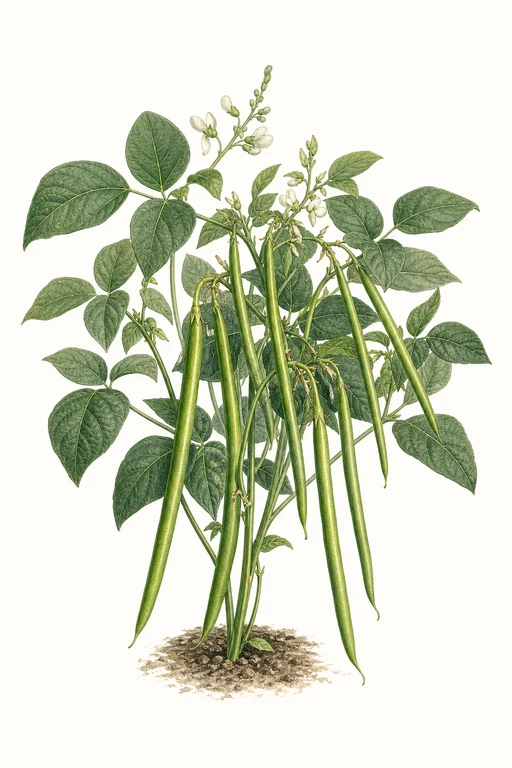
Sweetly fragrant and vividly tender, Nickel bush beans arrive in a steady wave of crisp, slender pods with a clean, bright green glow.
Their flavor is delicately sweet with a fine, snap-to-the-fork texture that holds beautifully from garden to table, making them a favorite for everyday harvests. Grow Nickel for reliable, uniform performance in a compact habit—ideal for fresh use and quick pickling, as well as vibrant stir-fries and garden-fresh sides.
Light: Full SunMaturity: 55 DaysHabit: Bush
Planting schedules and alerts are optimized for Columbus (Zone 6b).
Crop Dates
| Milestone | Date |
|---|---|
| Start Indoors | Direct Sow |
| Last Frost | Apr 25th |
| Transplant / Sow Outdoors | Apr 25th |
| Harvest Begins | Jun 19th |
| Harvest Ends | Oct 16th |
Crop Details
| Trait | Value |
|---|---|
| Days to Maturity | 55 |
| Sun Requirements | Full Sun |
| Growth Habit | Bush |
| Support Needed | None |
| Planting Depth | Normal |
| Germination Temp (°F) | 70 |
| Min Soil Temp (°F) | 55 |
| Min Night Temp (°F) | 45 |
| Harden Off (days) | Not Required |
Culinary Notes

Chef's Note
Nickel bush beans are built for the shortest heat and the brightest dressing—tender pods with that reliable snap that doesn’t turn mushy. Hit them with garlic, lemon, and a little fat (brown butter or olive oil) and they taste sweet, crisp, and vividly green all the way through.

Best Uses
- quick stir-fries where they stay snappy
- blanched and dressed with lemony vinaigrette
- hot-steamed sides finished with brown butter
- quick pickles for crisp, lightly sweet bite

Flavor Profile

Frequently Asked Questions
What pest or disease commonly affects Phaseolus vulgaris (common bean) like 'Nickel,' and what should I do?
How often should I water Phaseolus vulgaris during the main growing phase?
How can I tell when Phaseolus vulgaris is ready to harvest?
Sowing Tips

Transplant Conditions
Wait until soil reaches 55°F and nights stay above 45°F before moving outdoors.
Expert Note

Direct sow after soil warms, keep seedlings evenly moist early, and harvest frequently to encourage nonstop small-pod production.