
Old Homestead
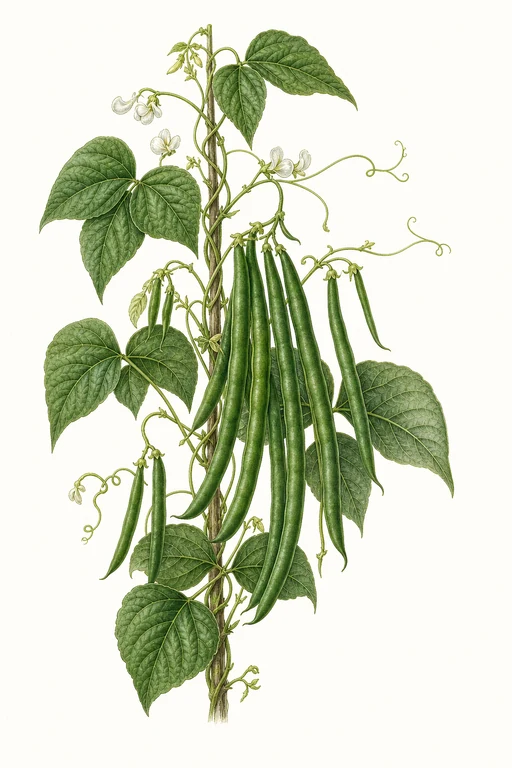
Savory-sweet and richly green, Old Homestead pole beans unfurl with a tender, stringless bite and a crisp snap that keeps its charm from garden to table.
The slender pods mature in steady waves—uniform in size, pleasantly meaty in texture, and ideal for roasting, fresh eating, and vibrant stir-fries, as well as pickling for a bright, tangy pantry staple. A dependable 60-day performer, it’s a classic choice for gardeners who want reliable harvests and beautifully consistent pods all season long.
Light: Full SunMaturity: 60 DaysHabit: Vine
Planting schedules and alerts are optimized for Columbus (Zone 6b).
Crop Dates
| Milestone | Date |
|---|---|
| Start Indoors | Direct Sow |
| Last Frost | Apr 25th |
| Transplant / Sow Outdoors | Apr 25th |
| Harvest Begins | Jun 24th |
| Harvest Ends | Oct 16th |
Crop Details
| Trait | Value |
|---|---|
| Days to Maturity | 60 |
| Sun Requirements | Full Sun |
| Growth Habit | Vine |
| Support Needed | Trellis |
| Planting Depth | Normal |
| Germination Temp (°F) | 60 |
| Min Soil Temp (°F) | 60 |
| Min Night Temp (°F) | 50 |
| Harden Off (days) | Not Required |
Culinary Notes

Chef's Note
Old Homestead pole beans are built for speed: they cook fast, stay stringless, and keep a crisp snap instead of going creamy. Roast them hot for charred edges or stir-fry briefly so the pods stay meaty and green rather than soft.

Best Uses
- dry-hot roast until blistered and caramel-edged
- quick-toss stir-fries with high heat and minimal sauce
- blanch-and-chill for a crisp salad under vinaigrette
- short-brine pickling for bright, tangy crunch

Flavor Profile

Frequently Asked Questions
What pest or disease commonly affects Phaseolus vulgaris (Kentucky Wonder pole bean), and how can I control it?
How often should I water Phaseolus vulgaris during peak growth so it stays productive?
How do I know when my Kentucky Wonder pole beans (Phaseolus vulgaris) are ready to harvest?
Sowing Tips

Transplant Conditions
Wait until soil reaches 60°F and nights stay above 50°F before moving outdoors.
Expert Note

Plant pole beans only after the soil and nights are warm, because they do not transplant well and will struggle if started indoors too early.