
Opera
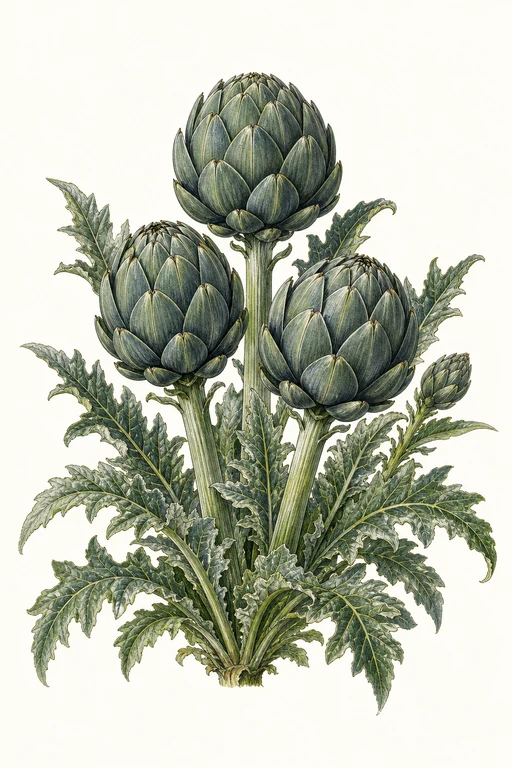
Succulent, globe-topped artichokes of ‘Opera’ arrive with a regal, tightly layered crown—tender at the heart and richly flavored with a gentle, nutty depth.
Expect firm, meaty bracts wrapped in a satin sheen, their color shifting from cool blue-green to deeper, smoky tones as they mature. Ideal for showcasing in bold preparations—roast for caramelized edges, steam for a classic centerpiece, or feature in elegant dips and spreads where their distinctive character shines.
Light: Full SunMaturity: 85 DaysHabit: Upright
Planting schedules and alerts are optimized for Columbus (Zone 6b).
Crop Dates
| Milestone | Date |
|---|---|
| Start Indoors | Direct Sow |
| Last Frost | Apr 25th |
| Transplant / Sow Outdoors | Apr 25th |
| Harvest Begins | Jul 19th |
| Harvest Ends | Oct 16th |
Crop Details
| Trait | Value |
|---|---|
| Days to Maturity | 85 |
| Sun Requirements | Full Sun |
| Growth Habit | Upright |
| Support Needed | None |
| Planting Depth | Normal |
| Germination Temp (°F) | 70 |
| Min Soil Temp (°F) | 45 |
| Min Night Temp (°F) | 28 |
| Harden Off (days) | 7 |
Culinary Notes

Chef's Note
Opera artichokes hit that sweet spot—tightly layered bracts stay meaty, while the heart cooks into something creamy and scrape-able rather than watery. Roast for bronze edges and a nuttier, almost toasted bitterness, or steam them and lean hard into lemon, garlic, and butter so the herbal bite lands bright.

Best Uses
- steam-and-scrape centerpiece with lemon-garlic mayo
- roast until the outer bracts bronze for maximum caramelized crunch
- whip the hearts into a thick, silky dip (with Parm and olive oil)
- chop for gratin or layered pasta where the bitterness plays nice with fat

Flavor Profile

Frequently Asked Questions
What pest or disease commonly affects artichokes (Cynara cardunculus var. scolymus), and how do I treat it?
How often should I water artichokes during the main growing phase, and what soil moisture target should I aim for?
How can I tell when artichokes are ready to harvest (Cynara cardunculus var. scolymus)?
Sowing Tips

Transplant Conditions
Wait until soil reaches 45°F and nights stay above 28°F before moving outdoors. Harden off for 7 days first.
Expert Note

For early, tender heads, keep plants consistently watered after transplanting and feed lightly but regularly once established.