
Orange Giant Amaranth
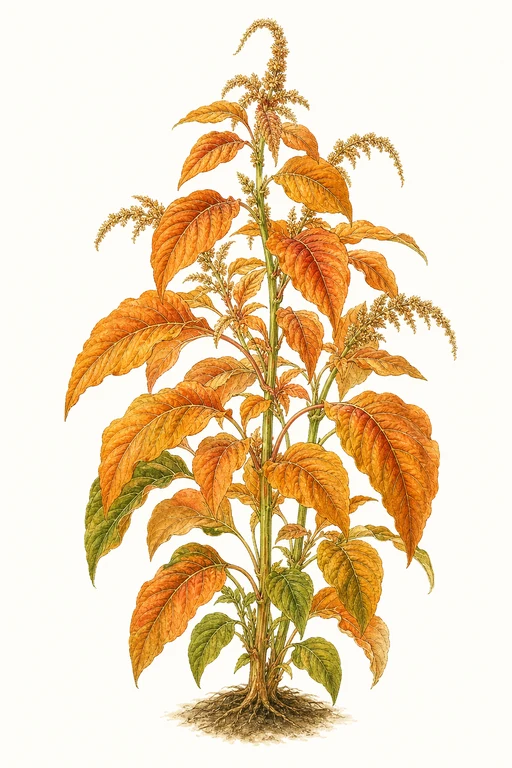
Sunlit orange-gold leaves unfurl with a tender, succulent bite—vivid enough to brighten the garden even before the first harvest.
Orange Giant Amaranth grows fast to bold, upright clumps of callaloo-class foliage, with a soft, slightly crisp texture that holds its character in steaming pots and quick sautés, and also shines fresh for vibrant greens. Grow it for its striking color and generous leaf production—an eye-catching annual that rewards you with abundant, flavorful greens in about 40 days.
Light: Full SunMaturity: 40 DaysHabit: Upright
Planting schedules and alerts are optimized for Columbus (Zone 6b).
Crop Dates
| Milestone | Date |
|---|---|
| Start Indoors | Direct Sow |
| Last Frost | Apr 25th |
| Transplant / Sow Outdoors | Apr 25th |
| Harvest Begins | Jun 4th |
| Harvest Ends | Oct 16th |
Crop Details
| Trait | Value |
|---|---|
| Days to Maturity | 40 |
| Sun Requirements | Full Sun |
| Growth Habit | Upright |
| Support Needed | None |
| Planting Depth | Surface |
| Germination Temp (°F) | 70 |
| Min Soil Temp (°F) | 60 |
| Min Night Temp (°F) | 50 |
| Harden Off (days) | Not Required |
Culinary Notes

Chef's Note
Orange Giant Amaranth cooks into glossy, succulent greens—more tender than tough spinach and less metallic than some wild amaranths. It loves fat and heat (think coconut milk or smoky pork), but a last squeeze of lemon keeps the orange-gold flavor awake.

Best Uses
- steam or braise until silky, then finish with lemon for callaloo-style greens
- quick sauté in hot oil with garlic/chiles to keep them vivid
- stir into rice or beans near the end so they stay plush, not hollow
- use fresh in a bright, lightly dressed salad for a crunchy-tender chew

Flavor Profile

Frequently Asked Questions
How do I prevent and treat leaf spot and aphids on Amaranthus tricolor (orange giant amaranth)?
How often should I water orange giant amaranth during active growth, and what soil moisture level should I aim for?
When is Amaranthus tricolor ready to harvest (and how can I tell)?
Sowing Tips

Transplant Conditions
Wait until soil reaches 60°F and nights stay above 50°F before moving outdoors.
Expert Note

Sow lightly on the surface in warm weather (keep evenly moist) and thin early to avoid leggy plants.