
Orange Giant
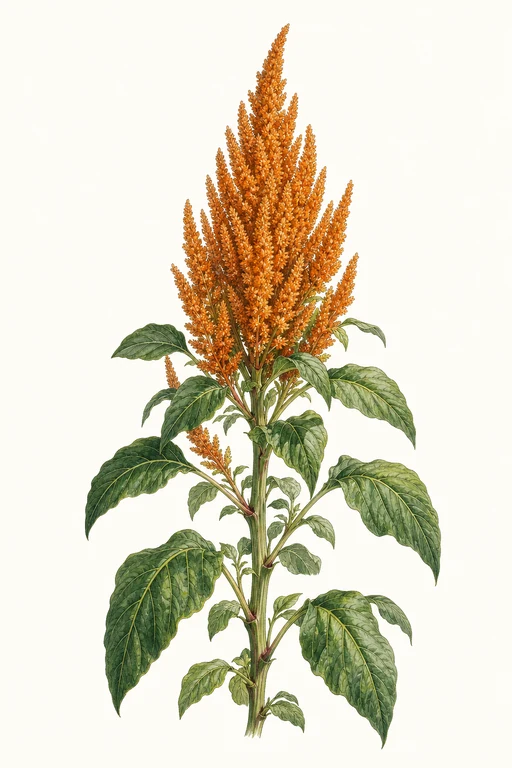
Sun-warmed plumes in vivid orange-gold rise above the garden like torchlight, and the grain within carries a pleasantly nutty, earthy flavor with a gentle sweetness.
Orange Giant forms bold, upright heads that thresh cleanly into abundant seed—ideal for hearty grain bowls, comforting porridge, and robust baking, as well as for thickening sauces and for sprouting into tender greens. An heirloom annual with a satisfying, harvest-ready presence, it rewards attentive growers with generous yields and a striking color that lingers long after the first frost.
Light: Full SunMaturity: 90 DaysHabit: Upright
Planting schedules and alerts are optimized for Columbus (Zone 6b).
Crop Dates
| Milestone | Date |
|---|---|
| Start Indoors | Direct Sow |
| Last Frost | Apr 25th |
| Transplant / Sow Outdoors | Apr 25th |
| Harvest Begins | Jul 24th |
| Harvest Ends | Oct 16th |
Crop Details
| Trait | Value |
|---|---|
| Days to Maturity | 90 |
| Sun Requirements | Full Sun |
| Growth Habit | Upright |
| Support Needed | None |
| Planting Depth | Normal |
| Germination Temp (°F) | 70 |
| Min Soil Temp (°F) | 60 |
| Min Night Temp (°F) | 50 |
| Harden Off (days) | Not Required |
Culinary Notes

Chef's Note
Orange Giant amaranth tastes like a toasted grain—earthy and nutty with a mild sweetness that holds up in slow-cooked bowls and spoonable porridge. Its seeds cook into a satisfying, chewy bite (and can go from silky-thickening to pleasantly firm), making it a strong stand-in for other hearty grains in winter cooking.

Best Uses
- hearty grain bowls with warm, saucy components
- thick porridge cooked with milk or coconut for a creamy set
- rustic baking where a nutty flour-like character is welcome
- sprouted greens for a tender, quick salad or wilt

Flavor Profile

Frequently Asked Questions
What pest or disease commonly affects Amaranthus hypochondriacus (Orange Giant), and how do I treat it?
How often should I water Orange Giant amaranth during active growth?
How can I tell when Orange Giant amaranth is ready to harvest?
Sowing Tips

Transplant Conditions
Wait until soil reaches 60°F and nights stay above 50°F before moving outdoors.
Expert Note

Sow after the soil is consistently warm and keep the bed evenly moist until seedlings emerge to get uniform stands for heavy seed heads.