
Oregon Sugar Pod II
Sweet, garden-fresh pods arrive in a rush—crisp and tender with a translucent, sugar-snap snap that practically sings at first bite.
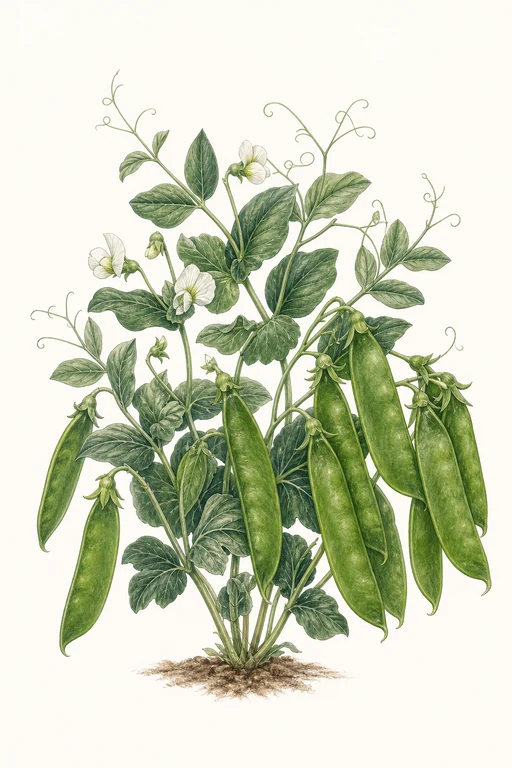
Oregon Sugar Pod II forms abundant, straight snow-pea pods that stay pleasantly flat and succulent, offering a clean, sweet pea flavor with a delicate crunch. Grow for fresh snacking, quick stir-fries, and vibrant additions to spring salads, letting the pods shine in every simple preparation.
Light: Full SunMaturity: 60 DaysHabit: Clumping
Crop Dates : 12b
| Milestone | Date |
|---|---|
| Start Indoors | — |
| Climate | Frost-Free Climate |
| Transplant / Sow Outdoors | Oct 1st |
| Harvest Begins | Nov 30th |
| Harvest Ends | Feb 28th |
Crop Details
| Trait | Value |
|---|---|
| Days to Maturity | 60 |
| Sun Requirements | Full Sun |
| Growth Habit | Clumping |
| Support Needed | Trellis |
| Planting Depth | Normal |
| Germination Temp (°F) | 45 |
| Min Soil Temp (°F) | 40 |
| Min Night Temp (°F) | 30 |
| Harden Off (days) | Not Required |
Culinary Notes

Chef's Note
Oregon Sugar Pod II is all about that crisp-tender, sweet snap—its pods stay pleasant and translucent when treated gently. If you cook them too long, they’ll drift toward starchy; keep the heat brief so they remain crunchy enough to stand up to soy-ginger or sesame.

Best Uses
- eat raw, chilled, as straight snack spears (they crunch fast and sweet)
- quick stir-fry at high heat for 60–90 seconds—pods should blister but not turn starchy
- toss into spring salads where the crunch survives a light vinaigrette
- flash-sauté and fold into fried rice or noodles for bright, green sweetness

Flavor Profile

Frequently Asked Questions
What pest or disease most commonly affects Pisum sativum (sugar snap peas), and how do I control it?
How often should I water sugar snap peas (Pisum sativum var. saccharatum) during their main growing phase?
How can I tell when Oregon Sugar Pod II sugar snap peas are ready to harvest?
Sowing Tips

Transplant Conditions
Wait until soil reaches 40°F and nights stay above 30°F before moving outdoors.
Expert Note

Sow Oregon Sugar Pod II directly as soon as the soil can be worked (cool, moist conditions) and keep pods picked frequently to extend production.