
Park’s Whopper
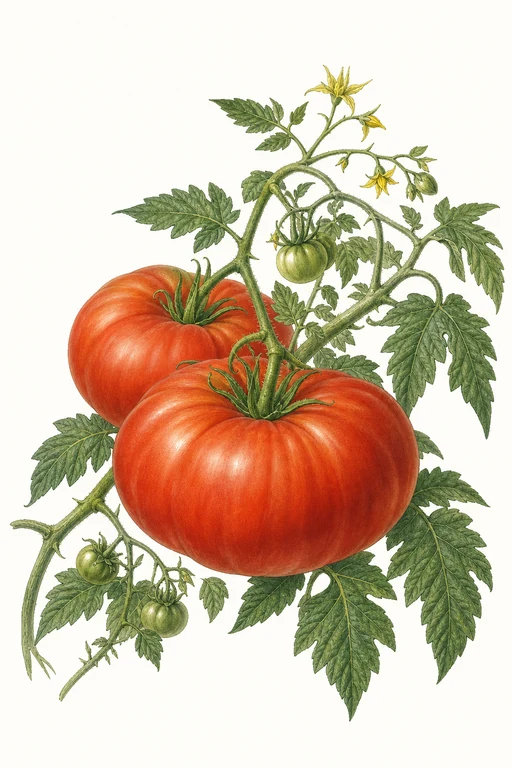
Sink your spoon into Park’s Whopper and you’ll meet a lush, garden-ripe sweetness wrapped in a classic slicing tomato tang.
The fruit is generously sized with a firm, juicy flesh and a smooth, satin skin that stays beautifully intact for hearty, showy slices. Grow this 85-day favorite for bold, vibrant summer salads and rich, spoonable sauces that celebrate its full-bodied flavor at peak ripeness.
Light: Full SunMaturity: 85 DaysHabit: Determinate
Crop Dates : 3a
| Milestone | Date |
|---|---|
| Start Indoors | Mar 27th |
| Last Frost | May 15th |
| Transplant / Sow Outdoors | Jul 10th |
| Harvest Begins | Oct 3rd |
| Harvest Ends | Sep 1st |
Crop Details
| Trait | Value |
|---|---|
| Days to Maturity | 85 |
| Sun Requirements | Full Sun |
| Growth Habit | Determinate |
| Support Needed | Cage |
| Planting Depth | Deep |
| Germination Temp (°F) | 75 |
| Min Soil Temp (°F) | 60 |
| Min Night Temp (°F) | 50 |
| Harden Off (days) | 10 |
Culinary Notes

Chef's Note
Park’s Whopper is a show-slicer: firm, juicy, and satin-skinned, so it won’t collapse into a sad smear in salads. Cook it just long enough to coax a silky, spoonable sauce while keeping the sweetness and tang in balance.

Best Uses
- hearty showy slices for salt-and-olive-oil summer plates
- brief pan-crush and reduce into a thick spoon sauce
- chunky tomato-based salads where dressing needs traction
- slow-simmered sauce where it stays bright instead of dulling

Flavor Profile

Frequently Asked Questions
What pest or disease is most likely on Solanum lycopersicum (tomato), and how do I stop it?
How often should I water Solanum lycopersicum during the main growing phase?
How can I tell when Park’s Whopper (Solanum lycopersicum) is ready to harvest?
Sowing Tips

Transplant Conditions
Wait until soil reaches 60°F and nights stay above 50°F before moving outdoors. Harden off for 10 days first.
Expert Note

Start indoors early for Park’s Whopper, then transplant only once soil is at least 60°F and nights are consistently above 50°F to keep the plants from stalling.