
Pepinex F1
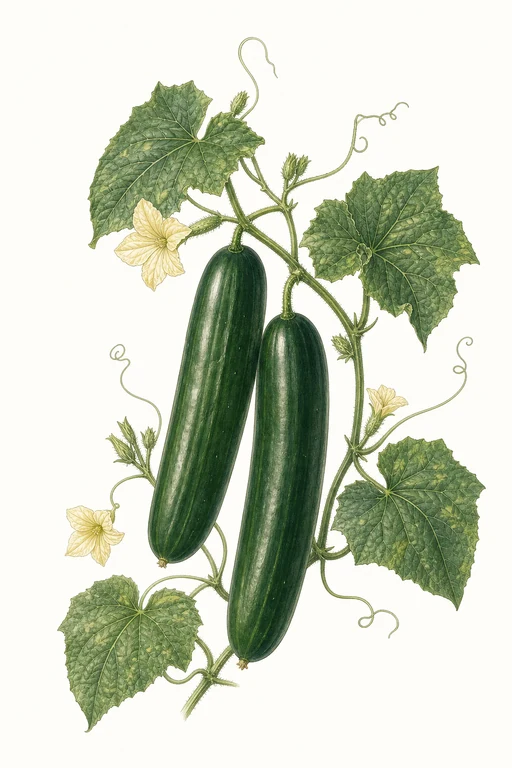
Crisp as chilled glass, Pepinex F1 delivers a cool, refreshing snap with a clean, subtly aromatic cucumber flavor that stays tender from first harvest onward.
The English-type fruits are smooth and evenly slender, with a dark green, glossy skin and a pleasantly firm, juicy texture—ideal for slicing fresh and for brightening dressings, sauces, and quick pickles. Vigorous and dependable at about 60 days, Pepinex F1 is a standout for gardeners who want long, uniform harvests with consistently refined eating quality.
Light: Full SunMaturity: 60 DaysHabit: Vine
Crop Dates : 2a
| Milestone | Date |
|---|---|
| Start Indoors | May 25th |
| Last Frost | May 25th |
| Transplant / Sow Outdoors | Jun 8th |
| Harvest Begins | Aug 7th |
| Harvest Ends | Aug 29th |
Crop Details
| Trait | Value |
|---|---|
| Days to Maturity | 60 |
| Sun Requirements | Full Sun |
| Growth Habit | Vine |
| Support Needed | Trellis |
| Planting Depth | Normal |
| Germination Temp (°F) | 75 |
| Min Soil Temp (°F) | 65 |
| Min Night Temp (°F) | 55 |
| Harden Off (days) | 10 |
Culinary Notes

Chef's Note
This English-type cucumber is built for knife-to-mouth crunch: firm, juicy, and stay-tender enough that it won’t go watery or woolly in a quick pickle or a cold sauce. Choose it when you want that chilled glassy snap and a clean aromatic lift rather than heavy cucumber flavor.

Best Uses
- thin slices on hot summer sandwiches where the crunch won’t collapse
- quick-pickles and refrigerator brines (short steep, bright finish)
- tossing into yogurt- or sour-cream-based sauces for a cool, creamy contrast
- finishing dressings and salsa to add watery snap and sheen

Flavor Profile

Frequently Asked Questions
What’s a common cucumber (Cucumis sativus) disease pest problem in home gardens, and how do I treat it?
How often should I water Cucumis sativus during peak growth to keep fruits developing well?
How can I tell when Pepinex F1 cucumbers (Cucumis sativus) are ready to harvest?
Sowing Tips

Transplant Conditions
Wait until soil reaches 65°F and nights stay above 55°F before moving outdoors. Harden off for 10 days first.

Direct Sow Preferred
Sensitive roots — does not transplant well. If starting indoors, use biodegradable pots and disturb roots as little as possible when moving outdoors.
Expert Note

Start trellis training immediately to keep fruit straight and reduce disease by improving airflow around the vines.