
Perfecta
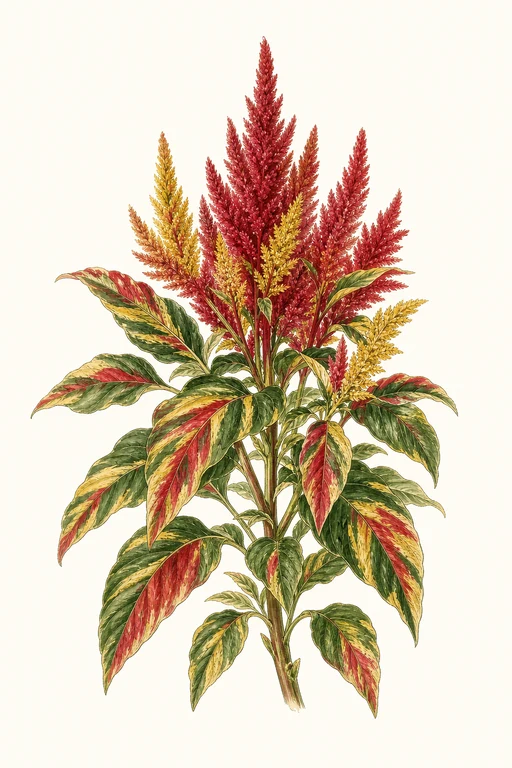
Velvet-bright plumes and leaf rosettes of ‘Perfecta’ unfurl with a jewel-toned glow—deep green leaves brushed in warm crimson and golden highlights.
The foliage is tender and lush, with a satiny, slightly succulent texture that holds its color beautifully as the season cools. Grow ‘Perfecta’ for striking ornamental impact and for abundant, flavorful greens that shine in fresh arrangements and vibrant garnishes.
Light: Full SunMaturity: 60 DaysHabit: Upright
Planting schedules and alerts are optimized for Columbus (Zone 6b).
Crop Dates
| Milestone | Date |
|---|---|
| Start Indoors | Direct Sow |
| Last Frost | Apr 25th |
| Transplant / Sow Outdoors | Apr 25th |
| Harvest Begins | Jun 24th |
| Harvest Ends | Oct 16th |
Crop Details
| Trait | Value |
|---|---|
| Days to Maturity | 60 |
| Sun Requirements | Full Sun |
| Growth Habit | Upright |
| Support Needed | None |
| Planting Depth | Surface |
| Germination Temp (°F) | 70 |
| Min Soil Temp (°F) | 65 |
| Min Night Temp (°F) | 50 |
| Harden Off (days) | Not Required |
Culinary Notes

Chef's Note
Even though it’s sold as an ornamental, ‘Perfecta’ is where the kitchen wins: the leaves are tender and juicy, with a soft herbaceous edge that tastes cleaner when you don’t overcook them. Use it like you’d use a delicate brassica—blanch, sauté briefly, then hit it with lemon or chili to sharpen the satiny succulence.

Best Uses
- quick-tossed sauté or blanch-and-chill for a bright side
- fold into hot rice or grain bowls where it stays pleasantly tender
- use raw as a satiny garnish where it won’t get fibrous
- steam lightly and finish with acid to keep the leaves vivid

Flavor Profile

Frequently Asked Questions
What pests or diseases commonly affect Amaranthus tricolor (Joseph’s Coat/“Perfecta”), and how do I treat them at home?
How often should I water Amaranthus tricolor during its main growing phase (about the first 6 weeks)?
How can I tell when Amaranthus tricolor (“Perfecta”) is ready to harvest?
Sowing Tips

Transplant Conditions
Wait until soil reaches 65°F and nights stay above 50°F before moving outdoors.
Expert Note

For the best gold-red-green tapestry, grow in full sun and avoid over-fertilizing nitrogen—light feeding keeps foliage color vivid.