
Peter Pan
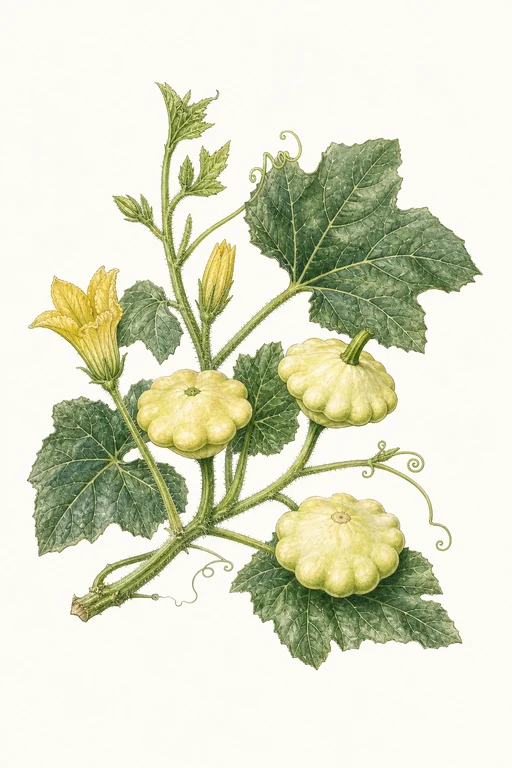
Tender, sunlit rounds of Peter Pan pattypan squash arrive with a delicate, sweet-squash fragrance and a crisp, fine-grained bite that’s at its best when the fruits are young.
Their fluted, scalloped forms hold a charming, pale green-to-cream glow, turning especially inviting as they mature to a soft, buttery tenderness. Grow Peter Pan for quick, abundant harvests—ideal for showcasing in fresh preparations, bright sautéed sides, and vibrant pickling-style preserves, with extra appeal for gardeners who love variety that looks as good as it tastes.
Light: Full SunMaturity: 45 DaysHabit: Vine
Planting schedules and alerts are optimized for Columbus (Zone 6b).
Crop Dates
| Milestone | Date |
|---|---|
| Start Indoors | Apr 11th |
| Last Frost | Apr 25th |
| Transplant / Sow Outdoors | Apr 25th |
| Harvest Begins | Jun 9th |
| Harvest Ends | Oct 16th |
Crop Details
| Trait | Value |
|---|---|
| Days to Maturity | 45 |
| Sun Requirements | Full Sun |
| Growth Habit | Vine |
| Support Needed | Trellis |
| Planting Depth | Normal |
| Germination Temp (°F) | 70 |
| Min Soil Temp (°F) | 65 |
| Min Night Temp (°F) | 55 |
| Harden Off (days) | 12 |
Culinary Notes

Chef's Note
This Peter Pan pattypan is a small-fruit squash built for eating young: it keeps a crisp, fine-grained bite and takes on browning fast without turning watery. When you let it go a touch farther, it turns buttery-soft—perfect for glazing or quick pickling where the tang cuts through that gentle sweetness.

Best Uses
- quick sautéed rounds that stay snappy with a fast browning
- shallow-fry or roast until edges turn crisp while centers stay tender
- bright, vinegar-forward quick pickles for a tangy crunch
- thin-sliced fresh preparations with a squeeze of lemon for lift

Flavor Profile

Frequently Asked Questions
What pest or disease problem most often affects Cucurbita pepo (Peter Pan zucchini) and how do I treat it?
How often should I water Cucurbita pepo during the main growing phase (around weeks 3–6)?
How can I tell when Peter Pan zucchini (Cucurbita pepo) is ready to harvest?
Sowing Tips

Transplant Conditions
Wait until soil reaches 65°F and nights stay above 55°F before moving outdoors. Harden off for 12 days first.

Direct Sow Preferred
Sensitive roots — does not transplant well. If starting indoors, use biodegradable pots and disturb roots as little as possible when moving outdoors.
Expert Note

For the fastest, highest yields, sow/transplant after soil warms and harvest pattypan small (about 2–4 in) every 2–3 days to keep plants producing.