
Pink Chintz
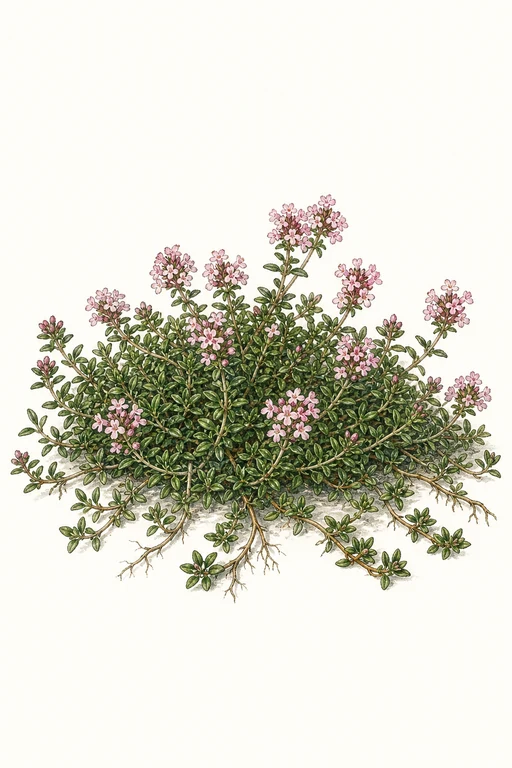
Aromatic mats of Pink Chintz unfurl with a soft, rosy charm—tiny blossoms hover above the foliage like sprinkled confetti, releasing a bright, herbal fragrance as you brush the plants.
The leaves are small and tender, forming a low, creeping carpet with a velvety texture and a pleasantly savory, thyme-like flavor that shines for fresh herbal use and quick flavoring in sauces and dressings. Ideal for cool-season growing, Pink Chintz matures in about 60 days, delivering a tidy, spreading groundcover that looks as good as it tastes.
Light: Full SunMaturity: 60 DaysHabit: Spreading
Planting schedules and alerts are optimized for Columbus (Zone 6b).
Crop Dates
| Milestone | Date |
|---|---|
| Start Indoors | Mar 14th |
| Last Frost | Apr 25th |
| Transplant / Sow Outdoors | Jun 20th |
| Harvest Begins | Aug 19th |
| Harvest Ends | Oct 16th |
Crop Details
| Trait | Value |
|---|---|
| Days to Maturity | 60 |
| Sun Requirements | Full Sun |
| Growth Habit | Spreading |
| Support Needed | None |
| Planting Depth | Normal |
| Germination Temp (°F) | 65 |
| Min Soil Temp (°F) | 40 |
| Min Night Temp (°F) | 35 |
| Harden Off (days) | 7 |
Culinary Notes

Chef's Note
Pink Chintz creeps in with small, tender leaves that bruise easily, so you get maximum aromatic release without turning bitter. Use it like fresh thyme’s quieter cousin—fast dressings, quick infusions, and crunchy finishing, where the velvety texture and floral lift stay bright rather than cooked down.

Best Uses
- bruise-and-sprinkle finishing on potatoes, eggs, and roast vegetables
- fold into quick vinaigrettes and lemony yogurt sauces without cooking hard
- steep briefly in broths or consommé, then strain for a crisp herbal aroma
- toss blossoms through salads for a rosy, aromatic pop

Flavor Profile

Frequently Asked Questions
What pest or disease most commonly affects Thymus serpyllum (pink chintz), and how can I treat it at home?
How often should I water Thymus serpyllum during its main growing phase (first 6–8 weeks after establishment)?
How do I know when Pink Chintz thyme (Thymus serpyllum) is ready to harvest?
Sowing Tips

Transplant Conditions
Wait until soil reaches 40°F and nights stay above 35°F before moving outdoors. Harden off for 7 days first.
Expert Note

For fast ground coverage, thin to allow runners to root where they touch soil and keep the planting area dry until established to prevent legginess.