
Queen Anne
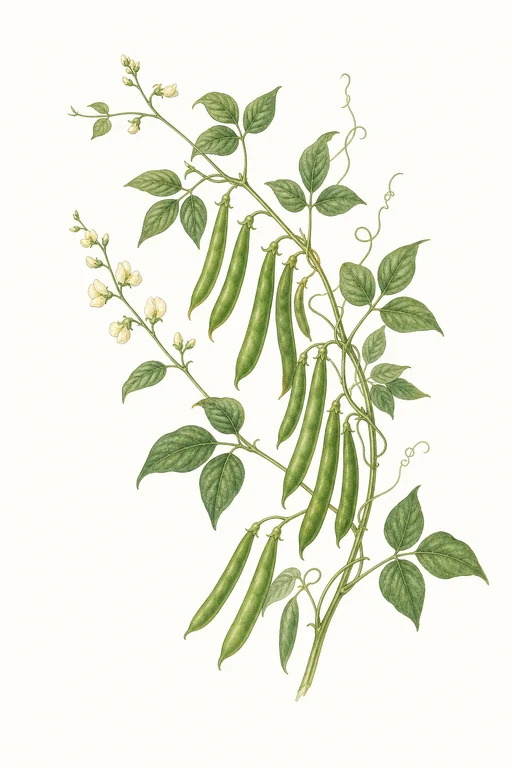
Tender pods of Queen Anne cowpea arrive with a satin, medium-green sheen and a graceful, slightly curved profile that feels crisp and lively in the hand.
When shelled, the beans offer a delicate, sweet-nutty flavor and a pleasantly firm bite—ideal for creating hearty, colorful bowls, silky sauces, and quick pickling-style preserves. A warm-season favorite that rewards steady sun with abundant, garden-to-table harvests in about 60 days.
Light: Full SunMaturity: 60 DaysHabit: Bush
Planting schedules and alerts are optimized for Columbus (Zone 6b).
Crop Dates
| Milestone | Date |
|---|---|
| Start Indoors | Direct Sow |
| Last Frost | Apr 25th |
| Transplant / Sow Outdoors | Apr 25th |
| Harvest Begins | Jun 24th |
| Harvest Ends | Oct 16th |
Crop Details
| Trait | Value |
|---|---|
| Days to Maturity | 60 |
| Sun Requirements | Full Sun |
| Growth Habit | Bush |
| Support Needed | None |
| Planting Depth | Normal |
| Germination Temp (°F) | 80 |
| Min Soil Temp (°F) | 60 |
| Min Night Temp (°F) | 55 |
| Harden Off (days) | Not Required |
Culinary Notes

Chef's Note
Queen Anne cowpea leans sweet and nutty with a satisfying, not-mushy bite—so it stays crisp in hot pans and doesn’t collapse in bowls. Use it to build glossy, buttery sides or to make pickled crunch that still tastes like real vegetables, not just vinegar.

Best Uses
- quick sauté with garlic and butter for a glossy, snappy side
- tossed into grain bowls with a bright vinaigrette to keep the bite intact
- silky purees or thickened soups where the beans hold body
- quick pickling-style preserves for tangy, crunchy sweetness

Flavor Profile

Frequently Asked Questions
What’s a common pest or disease for Vigna unguiculata (black-eyed pea/Queen Anne), and how can I manage it?
How often should I water Queen Anne (Vigna unguiculata) during the main growing phase?
How do I tell when Queen Anne (Vigna unguiculata) is ready to harvest?
Sowing Tips

Transplant Conditions
Wait until soil reaches 60°F and nights stay above 55°F before moving outdoors.
Expert Note

For best sweet flavor, sow cowpeas after soil warms and keep them evenly watered early, then reduce watering once pods start filling.