
Queen Of Sheba Basil
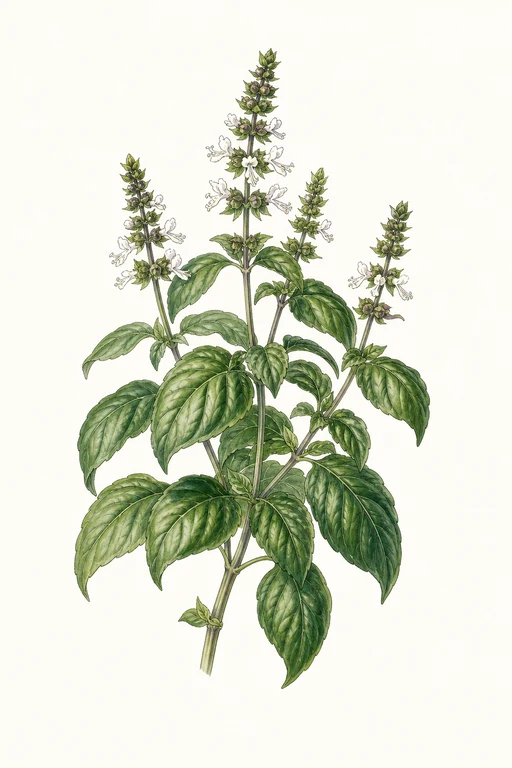
Fragrant as warm sun on green velvet, Queen Of Sheba Basil unfurls with an intense, sweet-anise aroma and a clean, bright flavor that lingers on the palate.
Its leaves are tender and richly textured—medium-sized, softly cupped, and beautifully uniform—ideal for fresh use where its fragrance can shine. Grow it for Italian-style pesto, flavorful finishing, and aromatic sauces, or simply let the leaves perfume your garden with every harvest.
Light: Full SunMaturity: 50 DaysHabit: Upright
Crop Dates : 12b
| Milestone | Date |
|---|---|
| Start Indoors | — |
| Climate | Frost-Free Climate |
| Transplant / Sow Outdoors | Oct 1st |
| Harvest Begins | Nov 20th |
| Harvest Ends | Feb 28th |
Crop Details
| Trait | Value |
|---|---|
| Days to Maturity | 50 |
| Sun Requirements | Full Sun |
| Growth Habit | Upright |
| Support Needed | None |
| Planting Depth | Normal |
| Germination Temp (°F) | 70 |
| Min Soil Temp (°F) | 60 |
| Min Night Temp (°F) | 50 |
| Harden Off (days) | 10 |
Culinary Notes

Chef's Note
Queen Of Sheba Basil leans into that sweet-anise perfume, so it shines most when you keep heat and time short—think pesto you eat right away or oil that’s infused, not cooked to death. The tender, gently cupped leaves cloak dairy and olive oil beautifully, giving you a fragrant green finish instead of a harsh, bitter one.

Best Uses
- Italian-style pesto where the fragrance stays loud—blend gently and serve soon
- fresh-leaf finishing on hot pasta or beans to avoid dulling the top notes
- aromatic pan-sauces and oil infusions for quick, fragrant dressings
- tear-and-fold salads or burrata for a sweet, licorice-leaning basil lift

Flavor Profile

Frequently Asked Questions
What pest or disease most commonly affects Ocimum basilicum (Queen of Sheba basil), and how can I stop it?
How often should I water Ocimum basilicum during the main growing phase?
How do I know when Queen of Sheba basil is ready to harvest?
Sowing Tips

Transplant Conditions
Wait until soil reaches 60°F and nights stay above 50°F before moving outdoors. Harden off for 10 days first.
Expert Note

Start basil indoors for a head start, then transplant only when nights are reliably warm to prevent leggy, stunted growth.